
THE LEADERS OF TOMORROW
ATHENA & TELEMACHUS ALUMNI
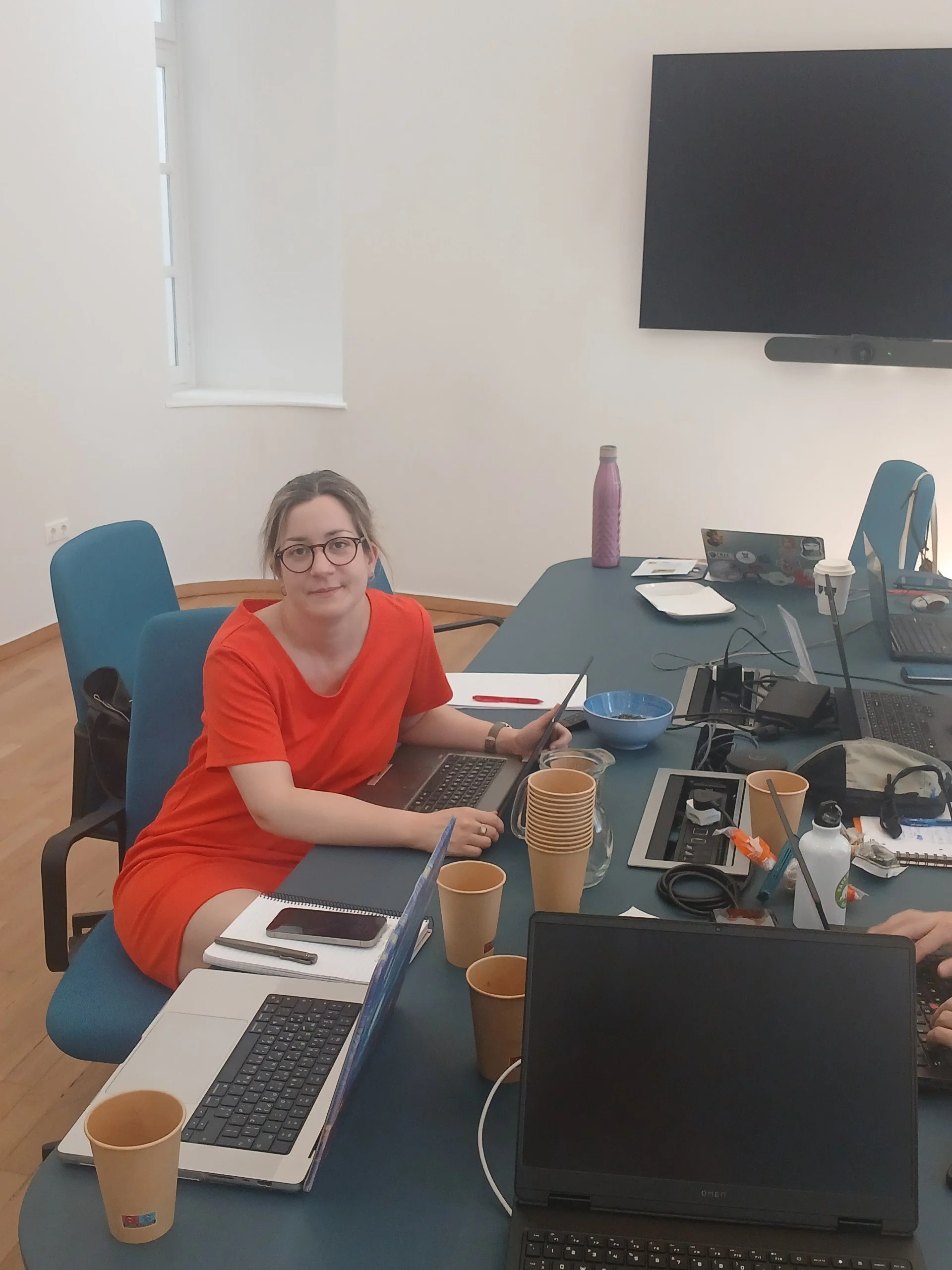
Angeliki Alexopoulou:“Communication Is the Key to Overcoming Differences.”
ANGELIKI ALEXOPOULOU
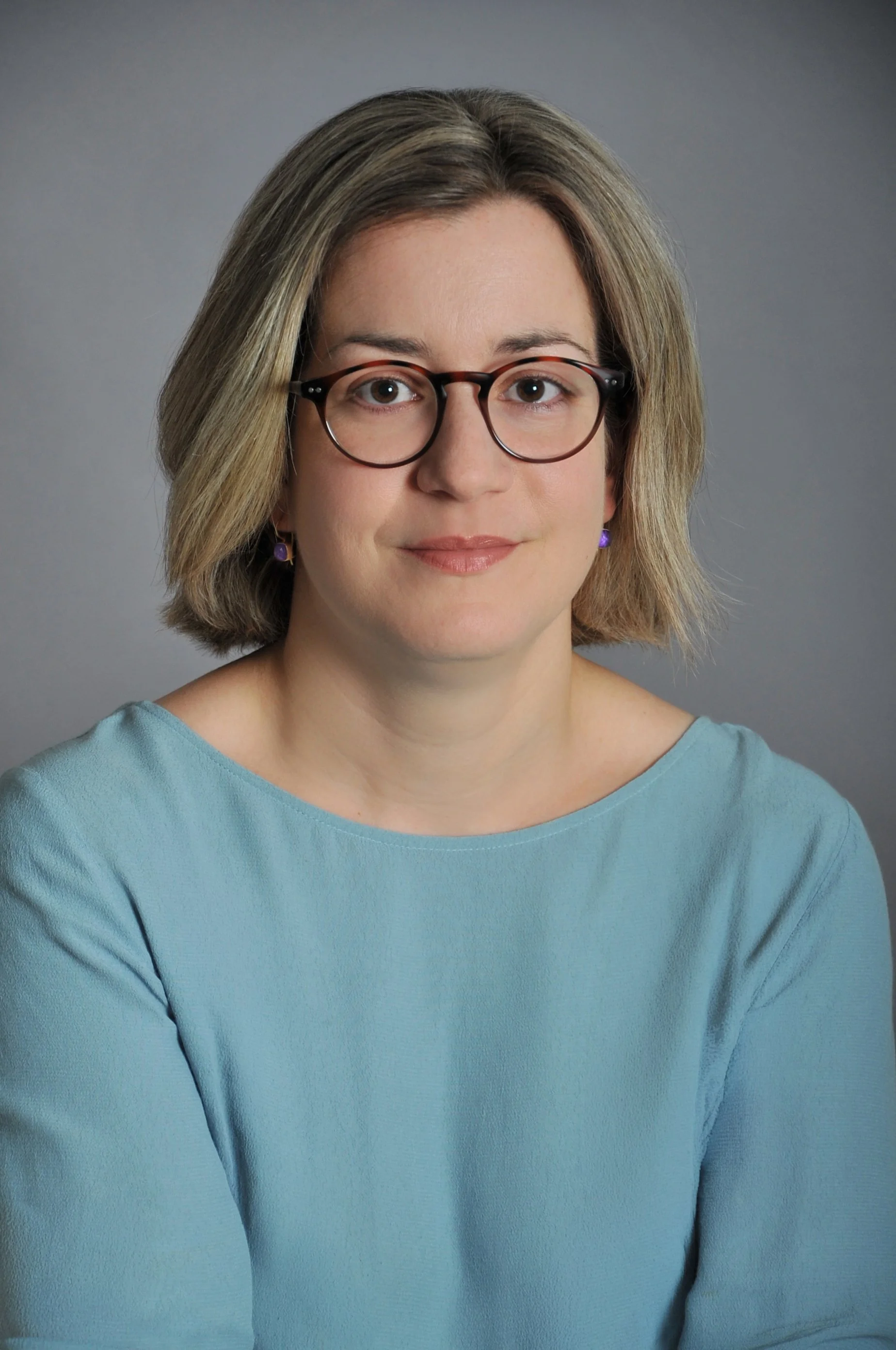
Angeliki Alexopoulou was born in Athens, Greece. She is a communication specialist and intercultural trainer, whose career sits at the intersection of culture, education, and international relations. She holds three academic degrees: a BA in Communication and Media Studies from the University of Athens, an MA in Intercultural Studies from the University of Salzburg and an MSc in International and European Studies from the University of Athens.
Q: Tell us a few things about you! Your background, your childhood and early beginnings!
I was born in 1986 in Athens to Greek parents, where I also grew up. My education up to my first degree was shaped entirely within the Greek educational system. Seeking to broaden my horizons, I later moved to Austria to pursue postgraduate studies. During my time there, I not only improved my German language skills but, more importantly, experienced living in a different cultural environment for the first time over an extended period.
This immersion challenged many of my assumptions and encouraged me to adapt, reflect, and grow both personally and academically. Engaging with diverse viewpoints and everyday practices reshaped my understanding of communication, identity, and social norms. Overall, this experience played a pivotal role in transforming my outlook and contributed significantly to the person I have become today.
Q: What are some of the key challenges in your society currently?
I believe one of the most pressing challenges facing Greek society today is the deepening sense of injustice and inequality. These conditions are not only structural but also relational, rooted in a profound lack of trust that begins at the interpersonal level. When people feel unsafe to speak openly, public life becomes fragmented and guarded. Even when individuals choose to express themselves, disappointment often follows, reinforcing a cycle of withdrawal and silence. This gradual retreat into isolation weakens collective bonds, undermines solidarity, and limits the possibility of meaningful social change, leaving society less resilient, less connected, and less capable of confronting shared challenges.
Q: Share with us some of the hurdles that you had to overcome in your life so far? How did you handle them?
I used to describe myself as part of the “lost generation,” shaped by uncertainty and constant movement. I have worked in different contexts and traveled across borders, gaining valuable experience yet never feeling fully settled. Despite these opportunities, there has always been a sense that I could have done more and seen more. However, the economic crisis that weighed heavily on Greece for so many years is now gradually easing. This shift has allowed me to reconsider possibilities I once set aside. Today, I find myself more open to the idea of building a life in Greece, reconnecting with its realities while carrying forward the skills and perspectives I gained abroad. It is no longer just about leaving, but about choosing where and how I want to belong next. With greater clarity and resilience, I now see Greece as more than just my place of origin.
Q: Why is the role of a mentor important for you?
I strongly believe in the power of having a mentor. You share your story, and an experienced person listens, reflects, and gently points out patterns, strengths, and blind spots. They offer perspective, practical advice, and encouragement grounded in real experience. This process helps you see yourself more clearly, make better decisions, and grow with confidence.
A good mentor does not impose answers but asks the right questions, creating space for insight and accountability. That kind of support can be deeply empowering and transformative over time, shaping personal and professional paths, while building resilience, clarity, and a stronger sense of purpose.
Q: Do you have a lesson that life has taught you and you would like to share?
I believe the most important lesson I have learned is that good and bad people exist everywhere, regardless of culture or background. This understanding has helped me approach others with greater openness and fewer assumptions. At the same time, I realised that communication is the key to overcoming differences. When we take the time to talk, listen, and understand one another, challenges become much easier and connections become far stronger.
Q: Name a project, a foundation or a person in your country that you think is doing great work in helping improve other people's lives!
Personally, I'm always moved when I think about the people who enabled me to go abroad for my studies, the Bakalas Brothers. Coming from villages in the Peloponnese, from where I also originate, they worked hard after the war and built a large fortune, which they donated to help other people across so many generations and without many actually knowing them.
Q: What are some of the challenges that women in your country face and what efforts are being made towards gender equality?
I often find myself reflecting with concern on the persistent presence of misogyny in Greek society, particularly among older generations. While I recognize that social attitudes evolve slowly, it is difficult to ignore how deeply ingrained certain stereotypes and biases remain. I believe that meaningful change must begin with education, especially during childhood. Both boys and girls should be encouraged to develop respect, empathy, and critical thinking from an early age, allowing them to question harmful norms and build healthier ways of relating to one another.
Families and schools play a central role in shaping these values, acting as the first environments where equality and mutual understanding can be cultivated. Although progress may be gradual, consistent effort and collective responsibility can lead to a more just, inclusive, and equitable society, where future generations are better equipped to challenge discrimination and embrace diversity in all its forms.
Q: Share with us a motto you live by.
Almost everything I know has been said by Carl Jung and Rumi.
Q: If you had all the money needed to launch the project of your dreams, can you describe what you would do?
If I had plentiful financial resources, I would dedicate my efforts to empowering individuals and groups across multiple levels of society. My approach would focus on fostering agency, critical thinking, and meaningful participation in social and professional contexts.
However, given that my primary interest lies in cultures and the people connected to them, even in partial or hybrid ways, I would begin by focusing on individual empowerment within intercultural settings. This would involve supporting people in understanding their own cultural identities while developing the skills to navigate and engage with diverse cultural environments. By strengthening intercultural awareness and communication, individuals can build confidence, challenge stereotypes, and contribute more effectively to inclusive communities. Over time, this individual-level empowerment could expand into group initiatives, creating networks of culturally aware and socially engaged people capable of driving broader societal change.
Q: How is technology utilised for social impact in your country? For example are there mobile apps that support gender equality, inclusion, understanding of cultures?
There is a clear opportunity to develop an app on cultural agility and anti-discrimination in Greece, especially because existing digital tools in the country mainly focus on language, tourism, or cultural heritage rather than cultural competencies with explicit social-impact goals.
Such an app could respond to documented inequalities and discrimination challenges in Greek society while offering accessible learning, reflection, and practical guidance for schools, workplaces, and communities. By combining education, self-assessment, and real-life scenarios, it could strengthen inclusion and help turn anti-discrimination principles into everyday practice.
Q: Anything else that you may wish to add?
Thank you for the opportunity to participate in this mentoring and development programme; I appreciate the support, learning experience, and professional growth it has provided.