
THE LEADERS OF TOMORROW
ATHENA & TELEMACHUS ALUMNI
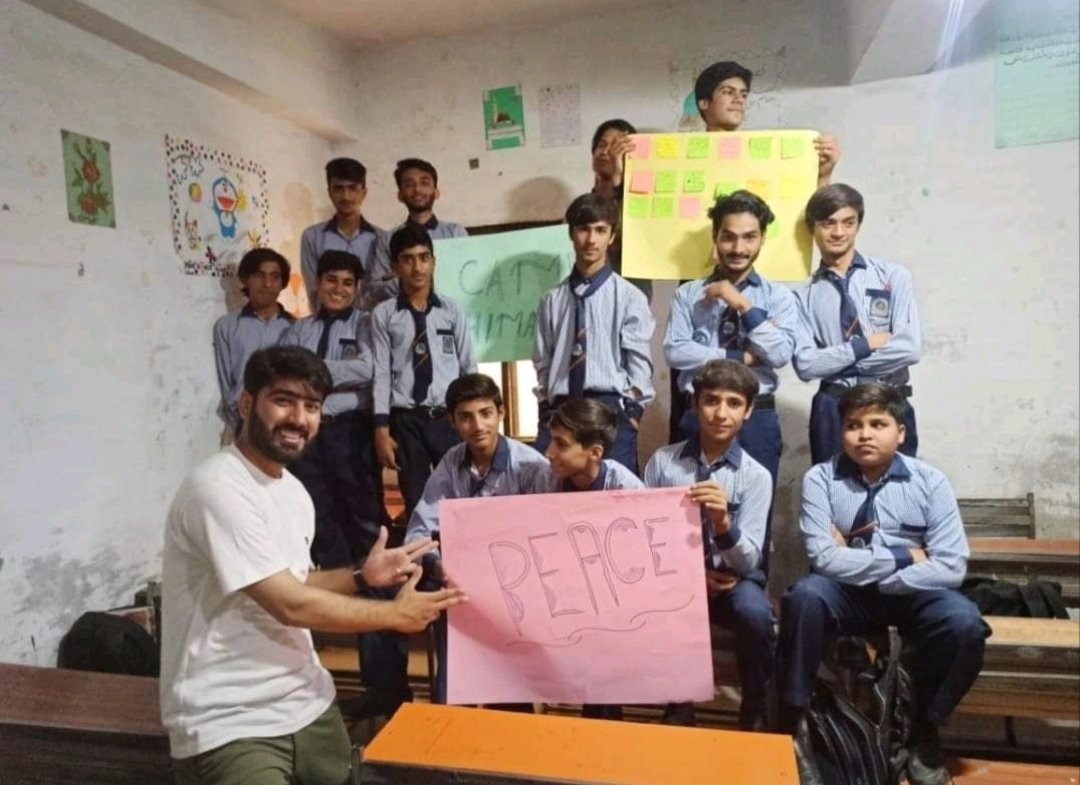
Behlol Khan:“Borders Should Never Limit Human Potential.”
BEHLOL KHAN
Behlol is a passionate youth leader and social development professional from Balochistan, Pakistan. He holds a bachelor’s degree in Petroleum and Gas Engineering and has gained valuable experience working with APEX Consulting, the Global Shapers Community, and the Save the Society Foundation. Behlol is deeply committed to creating opportunities for youth and marginalised communities through education, leadership, and sustainable development. He aspires to use his experiences to promote positive change, global collaboration, and a more inclusive and progressive society.
Q: Tell us a few things about you! Your background, your childhood and early beginnings!
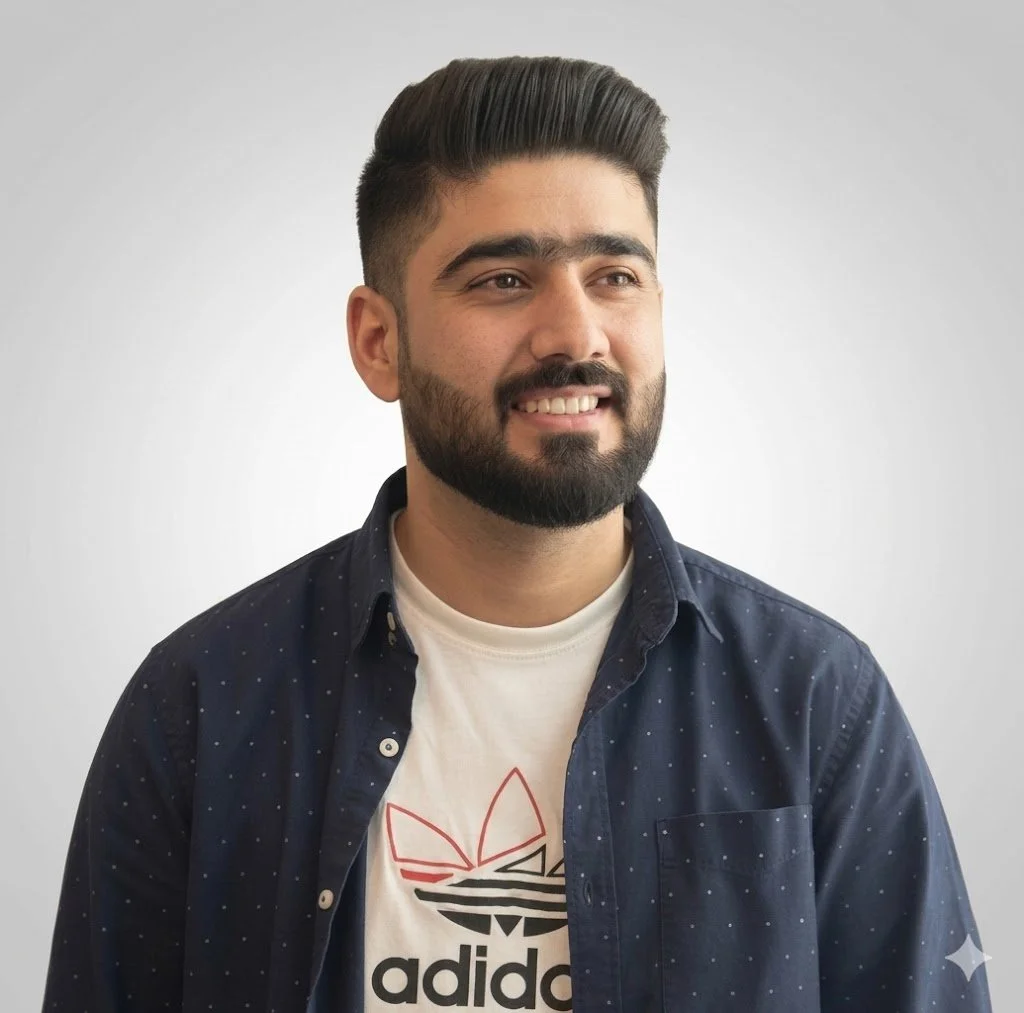
I grew up in Noshki, a small border district between Pakistan and Afghanistan. It is a place with limited opportunities, but it taught me the value of hard work, resilience, and community. Growing up, I saw many young people around me with great potential but little access to education, guidance, or opportunities. This inspired me to work for my community from an early age. I got involved with organisations like the Global Shapers Community and Save the Society Foundation, which helped me grow as a youth leader. I also participated in national leadership and peace conferences, which broadened my perspective. My background shaped who I am today — someone who is passionate about creating positive change in underserved communities and empowering young people to reach their full potential.
Q: What are some of the key challenges in your society currently?
I see several key challenges in my society every day.
Limited Access to Education: Many young people, especially girls, do not have access to quality education. Schools lack resources, trained teachers, and proper facilities.
Lack of Employment Opportunities: Youth unemployment is very high. Many talented young people are forced to leave their hometowns in search of work, which weakens local communities.
Poverty and Poor Livelihoods: Many families in border regions struggle with basic needs. Limited economic activity makes it hard for people to improve their living standards.
Lack of Youth Platforms: Young people have very few spaces to develop their skills, share ideas, or participate in decision-making processes that affect their lives.
Q: Share with us some of the hurdles that you had to overcome in your life so far? How did you handle them?
I faced many challenges including limited access to quality education, lack of mentorship, and financial constraints. I overcame these by actively seeking learning opportunities through fellowship programmes like the Salamati Fellowship and Camp Himalayas, and by making the most of every opportunity available to me.
Balancing family responsibilities with personal ambitions was also difficult, but staying connected to my purpose kept me going. Representing a remote region among people from bigger cities sometimes felt intimidating, but I learned to see my background and lived experience as my greatest strength rather than a weakness.
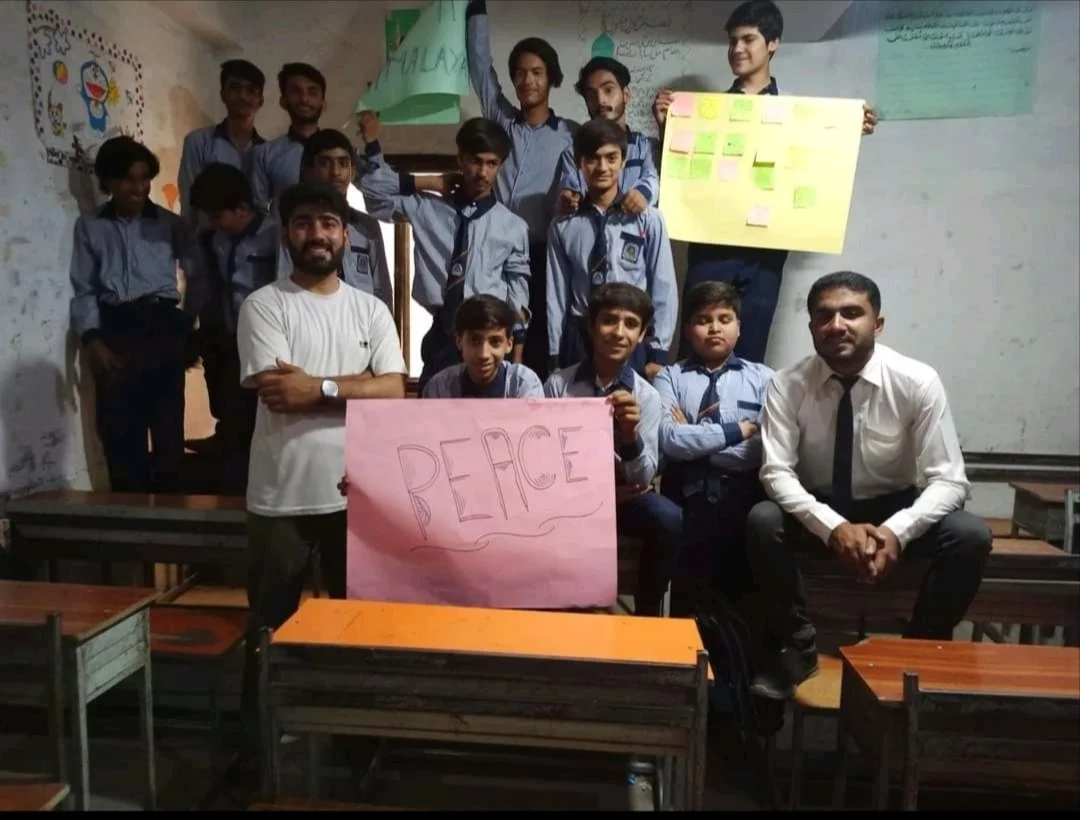
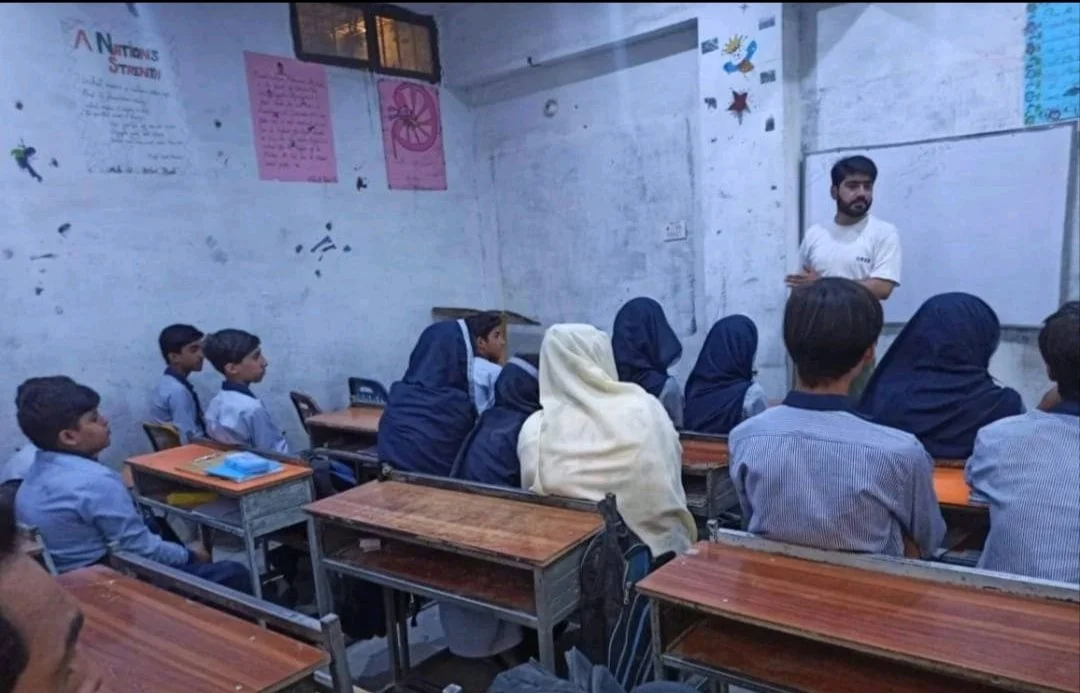
This mindset pushed me to take action in my community. I organised social projects addressing climate change awareness, gender-based violence, and community health, working with local youth to spread awareness and promote positive change. These experiences made me more resilient, sharpened my leadership skills, and deepened my commitment to serving marginalized communities.
Q: Why is the role of a mentor important for you?
A mentor is extremely important to me because I come from a remote border region where guidance and professional networks are almost nonexistent. Without proper direction, even the most talented young people struggle to find their path.
In my own experience, mentorship helped me discover scholarships, improve my professional skills, and secure my first job opportunity. These are things I could not have achieved alone. A good mentor does not just share knowledge. They open doors, challenge your thinking, and believe in your potential when you doubt yourself. For someone coming from a marginalized community, this makes all the difference.
Q: Do you have a lesson that life has taught you and you would like to share?
The biggest lesson life taught me is that challenges are not obstacles, they are teachers. Every difficulty pushed me to work harder, think creatively, and seek people who could guide me. For example, when I had no access to proper mentorship or professional networks in my hometown, I did not sit back and wait. Instead, I joined youth programmes, attended conferences, and connected with organisations like the Global Shapers Community. That one decision completely changed my life and opened doors I never imagined possible.
Another lesson I learned is that your background is your strength, not your weakness. I used to feel out of place when representing my remote region among people from big cities. But over time I realised that my lived experience of growing up in a marginalized community gives me a unique perspective that many people do not have. It made me more empathetic, more grounded, and more determined to create real change.
Q: Name a project, a foundation or a person in your country that you think is doing great work in helping improve other people's lives!
Waseela project of Islamic Relief Pakistan providing scholarship to youth and giving skills to women and girls. GBV awareness and mobilization project of Islamic Relief Organization.
Q: What are some of the challenges that women in your country face and what efforts are being made towards gender equality?
Limited access to education is one of the biggest issues. Many girls are pulled out of school at a young age due to cultural norms, early marriages, and financial pressures. This denies them the opportunity to grow, earn, and contribute to society independently.
Gender-based violence remains a deeply concerning challenge. Many women silently suffer domestic violence, forced marriages, and harassment with little access to legal protection or support systems. In conservative communities, speaking out about such issues is still considered taboo, which makes it even harder for women to seek help.
One of the most tragic and painful realities is the practice of honor killing. In some tribal and rural communities, women are killed in the name of family honor for choices as simple as selecting their own life partner or pursuing education. These acts are often justified through misinterpretations of religion and deeply embedded tribal customs. The tribal justice system known as Jirga often makes decisions that go against women's basic human rights, denying them any voice or legal protection.
Q: Share with us a motto you live by.
Speak up, stand up, and never give up.
Q: If you had all the money needed to launch the project of your dreams, can you describe what you would do?
If I had all the money needed, I would launch a Community Development and Youth Empowerment Centre in Noshki and the surrounding border regions of Pakistan. This centre would focus on three main areas:
First, I would establish a free education and skills training programme for young people, especially girls, providing them with quality education, digital literacy, and vocational skills to become financially independent.
Second, I would create a safe space for women and girls facing gender-based violence, offering counseling, legal aid, and rehabilitation support. Many women in my region suffer in silence simply because there is nowhere to go and no one to turn to.
Third, I would run community awareness campaigns on critical issues like climate change, health, and gender equality, engaging local youth as ambassadors of change in their own communities. The centre would also connect young people from border regions with national and international mentorship networks, scholarships, and leadership programmes so that talent and potential are never wasted simply because of geography.
Q: How is technology utilised for social impact in your country? For example are there mobile apps that support gender equality, inclusion, understanding of cultures?
Technology is gradually becoming a tool for social impact in Pakistan, although its reach in remote areas is still limited. Several mobile apps are making a difference. The Umang app provides women with access to legal information and emergency helplines related to gender-based violence. Sehat Kahani connects women with doctors through telemedicine, making healthcare more accessible in remote areas where cultural barriers prevent women from visiting male doctors.
Organisations like Byte-wise and Code for Pakistan are training young women in digital skills, helping them become financially independent and enter the job market. Social media platforms like Facebook and YouTube are being widely used by young activists to spread awareness about gender equality, honor killing, child marriage, and cultural understanding. Many youth led campaigns have sparked important national conversations through these platforms.
Q: Anything else that you may wish to add?
I would like to add that I didn’t apply for this programme for personal growth alone. I represent young people from remote and marginalized communities who have passion and potential but lack the right platform and guidance. Being part of GTF would allow me to bring back valuable knowledge, skills, and networks to my community where they are needed most. I am deeply committed to working on issues like gender-based violence, youth empowerment, and community development and with the right mentorship I believe I can turn this passion into lasting impact. I am a quick learner, a dedicated team player, and someone who genuinely believes that borders should never limit human potential. I am ready to give my best to this programme and to the global community of changemakers that GTF represents.