
THE LEADERS OF TOMORROW
ATHENA & TELEMACHUS ALUMNI
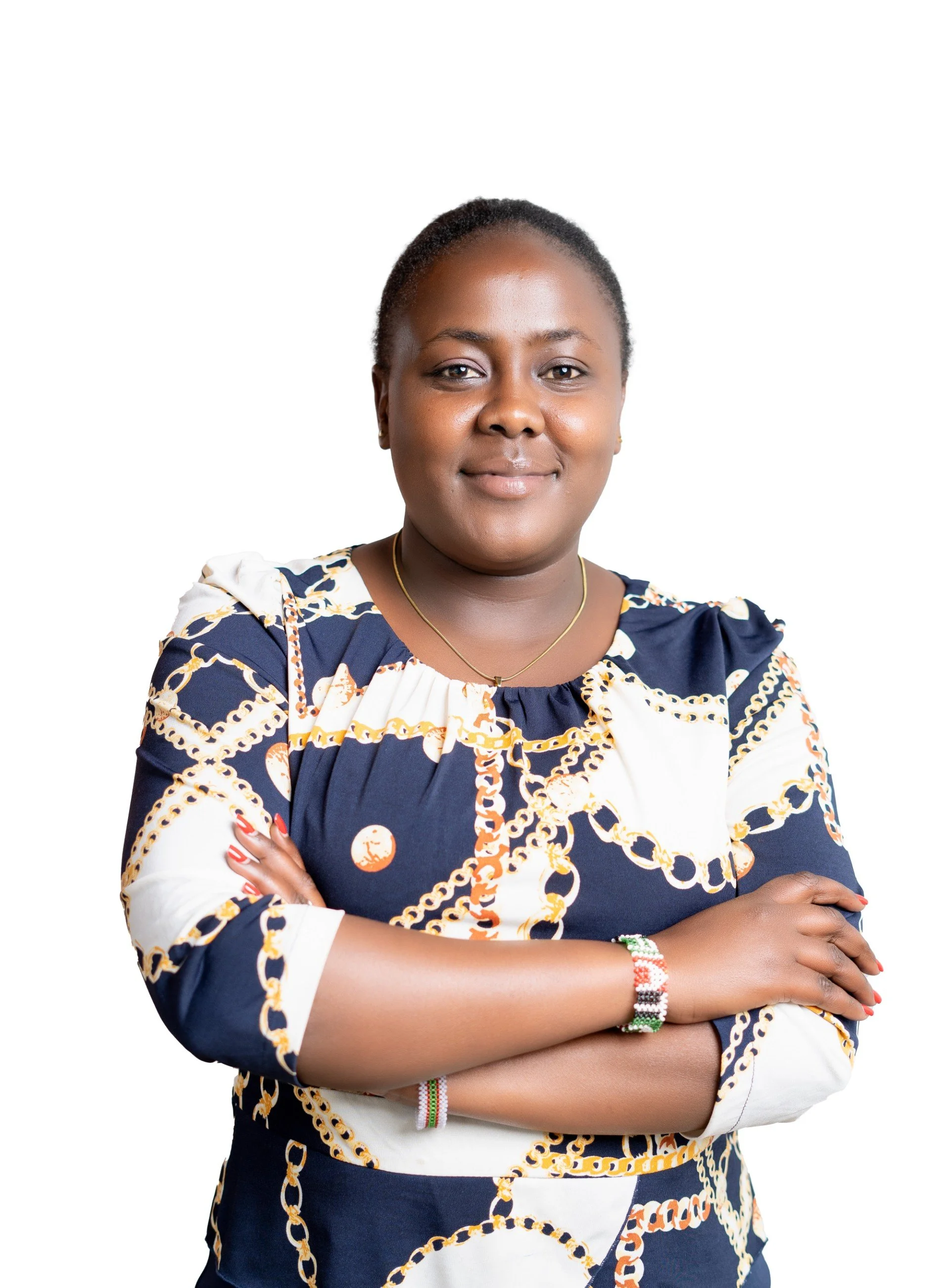
Dorcas Mumbi:“Never Allow Your Circumstances to Limit Your Dreams.”
DORCAS MUMBI
Dorcas was born and raised in Kenya and she is a passionate advocate for youth empowerment, gender equality, and inclusive development. Dorcas holds a degree in Education with a focus on Special Needs, specialising in Hearing Impairment, from Moi University. She has extensive experience in mentorship, community engagement, and programme development. She is also dedicated to promoting financial literacy, entrepreneurial development, and transformative leadership among young people.
Q: Tell us a few things about you! Your background, your childhood and early beginnings!
My name is Dorcas Mumbi, and I was born and raised in Murang'a County, Kenya, as the fourth-born in a family of six. Growing up, I was raised by a single mother whose resilience, determination, and commitment to education greatly shaped my values and aspirations. Despite facing various challenges during my childhood, I learned the importance of hard work, perseverance, and serving others from an early age.
My educational journey began in local schools in Murang'a, where I developed a passion for learning and community service. I later joined Mumbi Girls High School and went on to pursue a Bachelor's Degree in Education (Special Needs Education), specializing in Hearing Impairment, at Moi University. My studies deepened my commitment to inclusion, equality, and creating opportunities for persons with disabilities.
Throughout my journey, I have remained passionate about empowering young people, especially girls and marginalized communities. My early experiences inspired me to become involved in mentorship, leadership development, financial literacy, entrepreneurship, and advocacy for inclusive education. Today, I serve in various leadership and development roles, supporting youth, women, and entrepreneurs to unlock their potential and contribute meaningfully to society.
I believe that every challenge presents an opportunity for growth, and my life journey continues to be guided by a desire to create lasting impact through education, leadership, and service to others.
Q: What are some of the key challenges in your society currently?
My society faces several interconnected challenges that affect young people, women, and vulnerable populations. One of the most pressing issues is youth unemployment and underemployment, which leaves many educated young people struggling to find meaningful economic opportunities. This often contributes to poverty, financial insecurity, and limited prospects for personal growth.
Another significant challenge is inequality in access to quality education, particularly for learners from low-income backgrounds and persons with disabilities. While progress has been made, barriers such as inadequate resources, limited inclusive learning environments, and financial constraints continue to hinder educational attainment for many.
Gender-based violence (GBV) remains a major concern, affecting the safety, well-being, and economic empowerment of women and girls. Many survivors face challenges in accessing support services and justice.
Mental health is also an emerging issue, especially among young people who face economic pressures, social expectations, and uncertainty about the future. Despite growing awareness, stigma and limited access to mental health services remain obstacles.
Additionally, many communities continue to experience challenges related to poverty, financial illiteracy, and limited entrepreneurial opportunities, making it difficult for individuals and families to achieve sustainable livelihoods.
These challenges have motivated me to focus my work on education, youth empowerment, financial literacy, leadership development, and inclusion, with the goal of contributing to sustainable and positive social change.
Q: Share with us some of the hurdles that you had to overcome in your life so far? How did you handle them?
One of the most difficult challenges I have faced in my life was losing my mother. As a single parent, she was the pillar of our family, providing love, guidance, and support. Her passing left my siblings and me feeling alone and uncertain about the future. It was a painful experience that brought emotional, financial, and social challenges at a time when we needed her most. Navigating life without her was not easy.
There were moments of grief, doubt, and hardship, but I was determined not to let those circumstances define my future. I found strength in my faith, education, and the values my mother had instilled in me. I focused on my studies, sought support from mentors and friends, and remained committed to my personal growth and goals. The experience taught me resilience, perseverance, and the importance of hope even in difficult situations. Instead of allowing adversity to discourage me, I used it as motivation to work harder and create opportunities for myself and others. It also deepened my compassion for vulnerable people and inspired my passion for mentorship, leadership, and community service.
Today, I carry forward my mother's legacy through the work I do to empower young people, promote education, and support those facing challenges. Her memory continues to inspire me to remain strong, purpose-driven, and committed to making a positive impact in society.
Q: Why is the role of a mentor important for you?
A mentor plays a crucial role in my personal and professional growth. Throughout my journey, I have learned that success is not achieved in isolation; it often requires guidance, encouragement, and learning from the experiences of others. Having lost my mother at a young age, I have particularly appreciated the value of mentors who have provided support, direction, and wisdom during critical moments in my life.
Mentors help me gain new perspectives, identify opportunities, and navigate challenges more effectively. They offer constructive feedback, share valuable experiences, and help me avoid common mistakes while building confidence in my abilities. Their guidance has enabled me to make informed decisions about my education, leadership journey, and career development.
Additionally, mentorship provides accountability and motivation. A mentor challenges me to set higher goals, remain focused on my purpose, and continuously improve myself. Through mentorship, I have been able to strengthen my leadership skills, expand my networks, and develop a greater understanding of how to create meaningful impact in my community.
As someone who is passionate about empowering young people and promoting inclusive development, I also see mentorship as a way of paying forward the support I have received. The guidance of mentors has shaped who I am today, and it inspires me to mentor others so they can overcome challenges, realize their potential, and achieve their aspirations.
Q: Do you have a lesson that life has taught you and you would like to share?
One of the greatest lessons life has taught me is that adversity does not determine your destiny; your response to adversity does. Life can present unexpected challenges, and for me, losing my mother was one of the most difficult experiences I have ever faced. There were moments when the future seemed uncertain, but I learned that resilience, faith, and determination can help us move forward even when the path is unclear.
I have also learned that growth often comes through challenges. Difficult experiences can shape our character, strengthen our perseverance, and reveal strengths we never knew we had. Instead of asking, “Why is this happening to me?” I learned to ask, “What can I learn from this experience, and how can I use it to grow?”
Another important lesson is the value of investing in people. The support, encouragement, and mentorship I received from others played a significant role in my journey. This taught me that kindness, service, and empowering others create a lasting impact that extends far beyond ourselves.
If there is one message I would share, it is this: Never allow your circumstances to limit your dreams. Your background may influence your journey, but it does not have to define your future. With courage, persistence, and a willingness to learn, it is possible to overcome obstacles and create meaningful change in your own life and in the lives of others.
Q: Name a project, a foundation or a person in your country that you think is doing great work in helping improve other people's lives!
One organisation in Kenya that I greatly admire is Equity Group Foundation. Through its various programmes, the foundation has transformed the lives of thousands of young people, women, entrepreneurs, and vulnerable communities by promoting education, financial inclusion, entrepreneurship, and leadership development. What stands out about the foundation is its holistic approach to empowerment. Through scholarships, mentorship programmes, financial literacy training, and business development support, it equips individuals with the knowledge, skills, and resources needed to achieve long-term self-reliance.
Many young people who would otherwise have limited access to educational and economic opportunities have been able to pursue their dreams because of these initiatives. I particularly appreciate the foundation's commitment to nurturing future leaders and supporting entrepreneurship, as these are critical drivers of sustainable development. Its work demonstrates that meaningful social impact goes beyond providing aid — it involves empowering people to unlock their potential and become agents of change within their own communities. The foundation's efforts have inspired me in my own work as a mentor, educator, and community development practitioner, reinforcing my belief that investing in people is one of the most effective ways to create lasting positive change.
Q: What are some of the challenges that women in your country face and what efforts are being made towards gender equality?
Women in Kenya continue to face several social, economic, and cultural challenges despite the significant progress that has been made toward gender equality. One of the major challenges is gender-based violence (GBV), which affects many women and girls through domestic violence, sexual harassment, and harmful cultural practices. Many survivors still face barriers in accessing justice, healthcare, and psychosocial support.
Another challenge is economic inequality. Women often have limited access to productive resources such as land ownership, credit facilities, and employment opportunities. Many women are concentrated in the informal sector, where income is often unstable and social protections are limited. Women and girls also face challenges in accessing quality education and leadership opportunities, particularly in marginalized communities. Early marriages, teenage pregnancies, and cultural stereotypes can limit educational attainment and career advancement. Additionally, women remain underrepresented in some areas of political and corporate leadership despite existing legal frameworks promoting inclusion.
To address these challenges, the Kenyan government, civil society organisations, development partners, and community groups have implemented various initiatives. The Constitution of Kenya promotes equality and prohibits discrimination based on gender. Programmes focused on girls' education, women's economic empowerment, leadership development, and prevention of gender-based violence have helped create opportunities for women and girls across the country. Organisations such as UN Women, Federation of Women Lawyers Kenya (FIDA Kenya), and many local community-based organisations continue to advocate for women's rights, legal protection, and economic inclusion.
There has also been increased awareness and public dialogue on gender equality, encouraging more women to participate in leadership, entrepreneurship, and decision-making processes. While challenges remain, these efforts are contributing to a more inclusive society where women and girls have greater opportunities to realize their full potential and contribute meaningfully to national development.
Q: Share with us a motto you live by.
Be the change!
Q: If you had all the money needed to launch the project of your dreams, can you describe what you would do?
If I had all the resources needed to launch the project of my dreams, I would establish a comprehensive Youth and Women Empowerment Centre focused on education, entrepreneurship, financial inclusion, and opportunities for persons with disabilities.
The project would be designed to equip young people, especially young women and marginalized groups, with the skills, knowledge, and support they need to become economically independent and active contributors to their communities. The centre would provide vocational training, entrepreneurship development, financial literacy education, leadership training, and mentorship programmes. It would also offer business incubation services, helping young entrepreneurs transform innovative ideas into sustainable enterprises through coaching, access to markets, and start-up funding.
A key component of the project would be inclusivity. As a Special Needs Education graduate specializing in Hearing Impairment, I would ensure that persons with disabilities have equal access to training, mentorship, technology, and employment opportunities. The centre would be designed to be fully accessible and promote inclusive participation.
In addition, I would establish a scholarship and mentorship programme for vulnerable girls and young people from disadvantaged backgrounds to help them access quality education and career development opportunities. Mental health and psychosocial support services would also be integrated to address challenges that often hinder young people from reaching their full potential.
My ultimate goal would be to create a model that not only transforms individual lives but also strengthens communities by reducing unemployment, promoting entrepreneurship, advancing gender equality, and fostering a culture of leadership and innovation. Through this initiative, I hope to empower a generation of young people to become job creators, community leaders, and agents of sustainable change.
Q: How is technology utilised for social impact in your country? For example are there mobile apps that support gender equality, inclusion, understanding of cultures?
Technology has become a powerful tool for social impact in Kenya, helping to address challenges related to financial inclusion, education, healthcare, gender equality, and community development. The widespread use of mobile phones and internet connectivity has enabled innovative solutions that reach even remote communities.
One notable example is M-PESA, which has revolutionized financial inclusion by allowing millions of people to save, send, and receive money through their mobile phones. This has particularly benefited women, small-scale entrepreneurs, and rural communities who previously had limited access to formal banking services.
Technology is also being used to support gender equality and respond to gender-based violence. Organisations have developed digital platforms and helplines that provide information, reporting mechanisms, legal support, and referrals for survivors of violence. Social media and online campaigns have also helped raise awareness about women's rights and gender equality issues.
In education, e-learning platforms and digital learning resources have expanded access to knowledge, especially for young people in underserved communities. Technology has also improved access for persons with disabilities through assistive technologies such as sign language interpretation services, captioning tools, screen readers, and accessible learning platforms.
Additionally, digital platforms and social media have promoted cultural understanding by enabling people from diverse backgrounds to share their stories, traditions, and experiences. Through online communities, young people are engaging in conversations about inclusion, diversity, peacebuilding, and social cohesion.
While challenges such as the digital divide, affordability of internet access, and cybersecurity concerns still exist, Kenya continues to leverage technology as a driver of social transformation, empowering communities, improving access to services, and creating opportunities for greater inclusion and equality.
Q: Anything else that you may wish to add?
I would like to express my gratitude for the opportunity to share my story and perspectives. My journey has been shaped by both challenges and opportunities, and each experience has strengthened my commitment to creating positive change in society. As someone who has experienced loss, overcome adversity, and benefited from the support of mentors and educational opportunities, I am passionate about empowering young people, women, and persons with disabilities to realise their full potential.
I firmly believe that education, mentorship, and inclusive leadership are powerful tools for transforming lives and communities. My long-term vision is to contribute to sustainable development by promoting quality education, economic empowerment, gender equality, and social inclusion. Through my work in mentorship, leadership development, financial literacy, and community service, I hope to continue creating opportunities for those who are often left behind.
I am also committed to lifelong learning and collaboration, recognizing that meaningful change happens when individuals, organizations, and communities work together toward a common purpose. Given the opportunity, I will continue using my skills, experiences, and passion to serve others and help build a more equitable and inclusive society. I carry with me a simple belief: our circumstances may shape us, but they do not define us. With resilience, purpose, and service to others, we can turn challenges into opportunities and create a lasting impact for future generations.