
THE LEADERS OF TOMORROW
ATHENA & TELEMACHUS ALUMNI
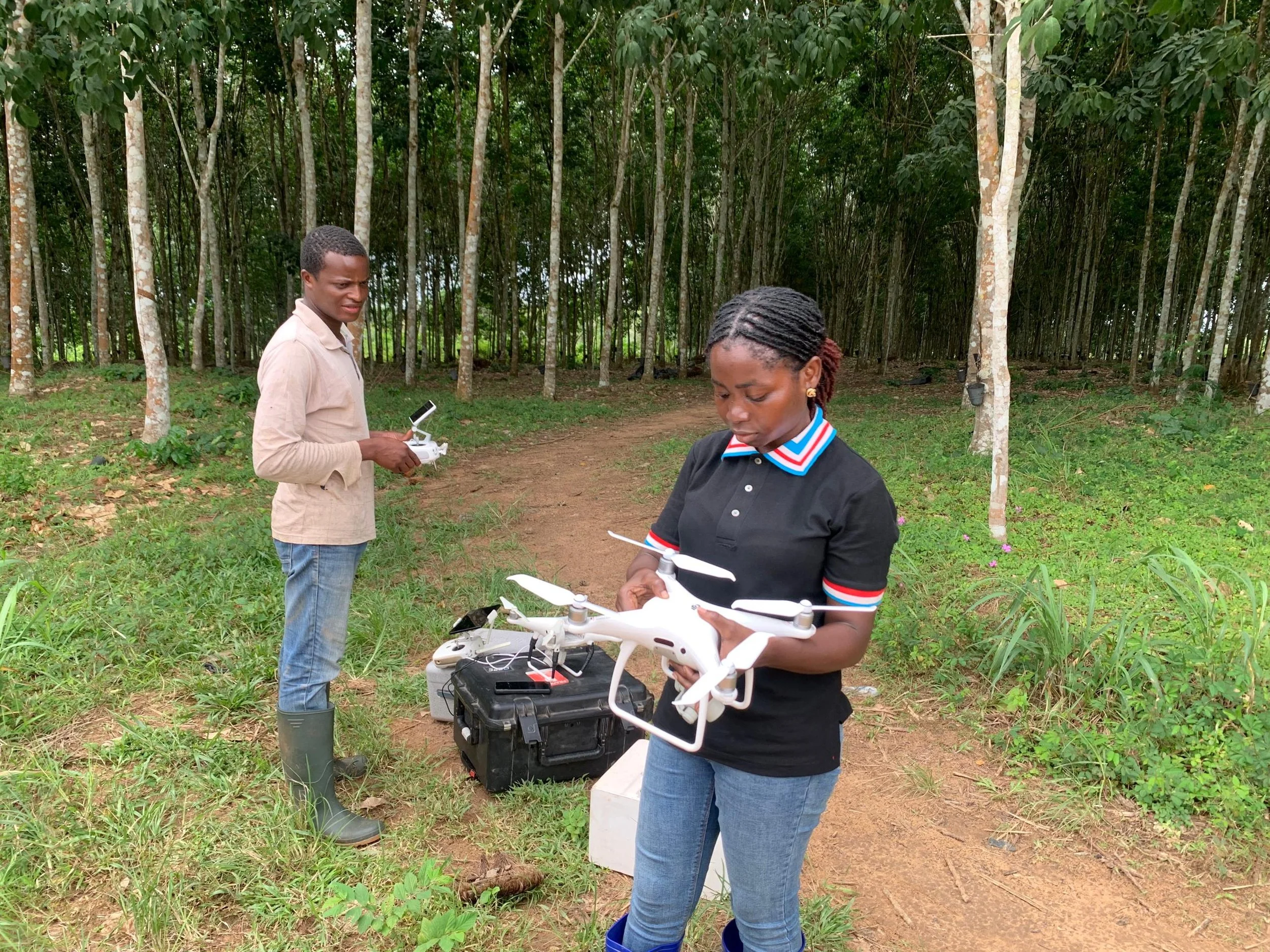
Esther Mensah:“Approach Life with Perseverance and Discipline.”
ESTHER MENSAH
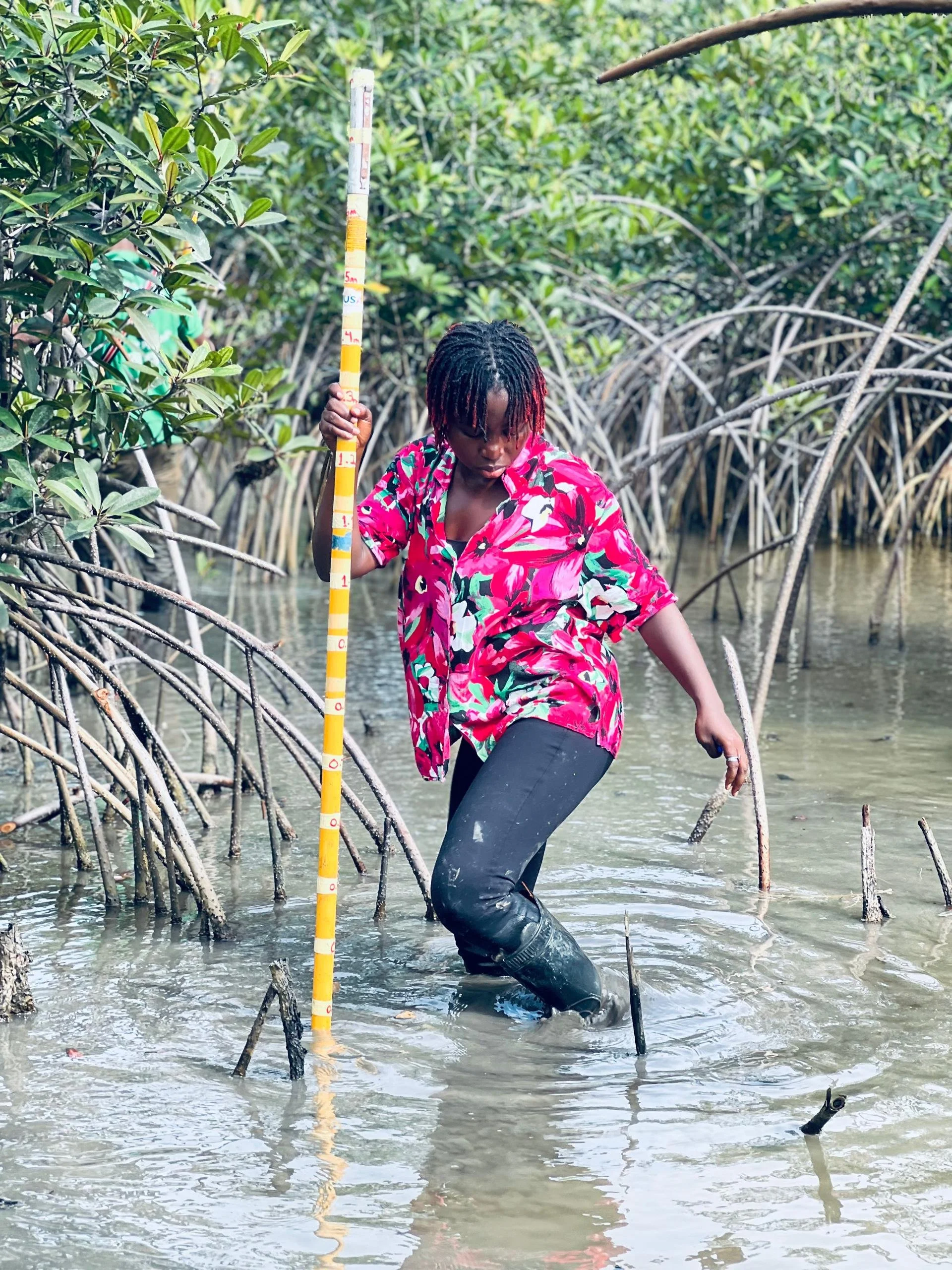
Esther is a Ghanaian landscape restoration enthusiast and climate advocate. She holds a Bachelor of Arts degree in Geography and Sociology from the University of Cape Coast. Esther is currently pursuing a Master of Philosophy (MPhil) in Geography Education at the University of Education, Winneba. Her research focuses on assessing the impact of mangrove restoration on enhancing the carbon sequestration potential of wetland ecosystems.
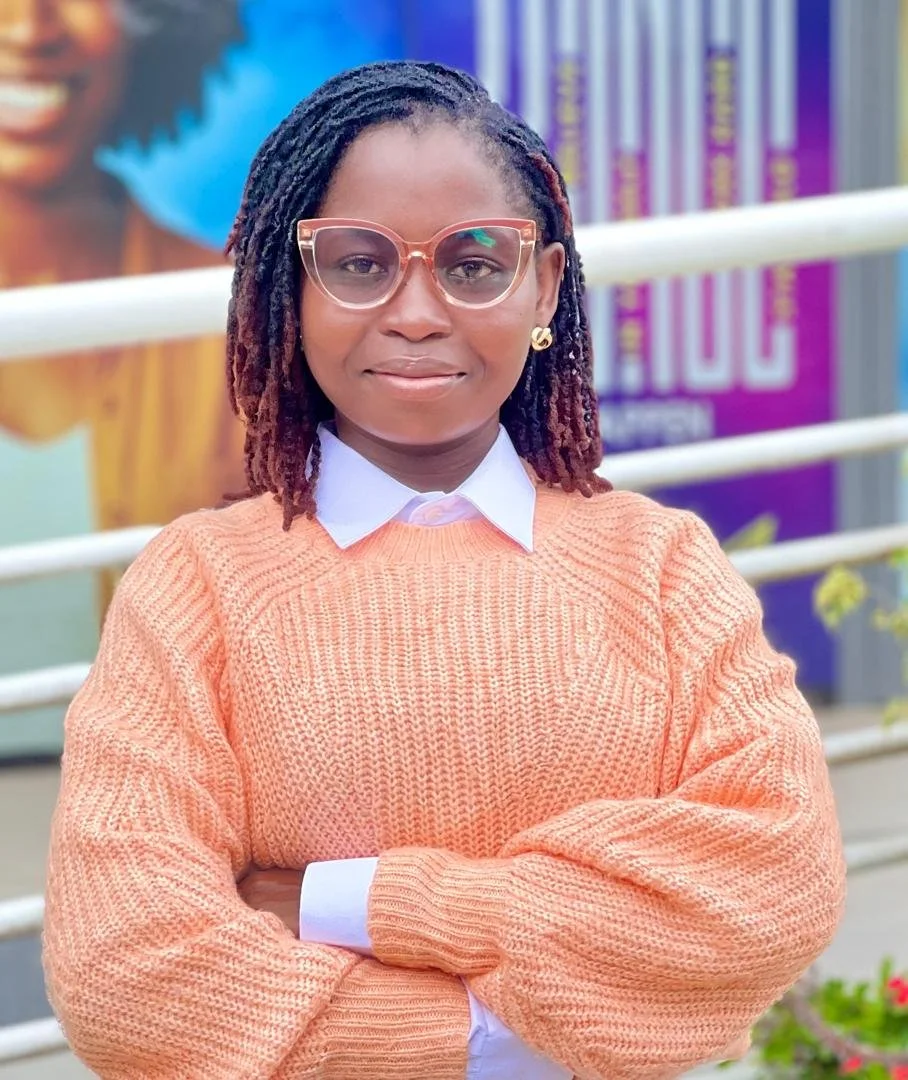
Q: Tell us a few things about you! Your background, your childhood and early beginnings!
I grew up in Shama, a coastal community in Southwestern Ghana, where I developed a deep connection with nature from an early age. I loved swimming and was curious about my environment, especially the mangrove wetlands that formed an important part of the landscape around me. That curiosity inspired my academic journey and shaped my passion for environmental sustainability. Since secondary school, I developed a strong interest in Geography because of its environmental focus. I later pursued a degree in Social Science at the University of Cape Coast, specializing in Geography and Sociology. After completing my first degree, I had the opportunity to work with an environmental Non-for-Profit Organisation as a Geographic Information Officer, where I contributed to landscape restoration and agroforestry initiatives using geospatial technologies.
Currently, I am pursuing my master’s degree at the University of Education, Winneba, in Ghana, with research focused on mangrove restoration and carbon sequestration. Alongside my studies, I volunteer with Hen Mpoano, an organisation dedicated to coastal ecosystem management and sustainable community development. My long term goal is to contribute meaningfully to climate resilience, wetland conservation, and socially inclusive environmental management in Ghana and beyond.
Q: What are some of the key challenges in your society currently?
One significant challenge in my community is the availability of sustainable and affordable energy options, which have resulted in the excessive use of coastal resources, especially mangrove wood for fish smoking and charcoal manufacturing. Numerous households rely on these practices for their livelihoods due to a lack of alternative income opportunities and access to cost-effective energy sources. Consequently, mangrove ecosystems are quickly deteriorating, resulting in a loss of biodiversity and heightened vulnerability to the impacts of climate change in coastal areas.
Q: Share with us some of the hurdles that you had to overcome in your life so far? How did you handle them?
One of the major hurdles I had to overcome was struggling to pass Mathematics in my Senior High School Certificate Examination, which was a key requirement for university admission in Ghana. After sitting for the exam twice without success, yet I refused to give up on my academic dreams. I remained determined, disciplined, and focused, and I sat for the examination a third time while continuing to study and seeking support as needed. Through perseverance, hard work, and self-belief, I finally passed and gained admission to the University of Cape Coast. That experience taught me resilience, patience, and the importance of never allowing temporary setbacks to define my future.
Q: Why is the role of a mentor important for you?
The role of a mentor is valuable to me as it offers guidance and support essential for my personal and professional growth. My passion for environmental sustainability, mangrove restoration, and community development would benefit from a mentor who can help me gain knowledge, build confidence, and make informed career choices. A mentor’s insights would inspire me to grow as a leader and create a meaningful impact in my community and beyond.
Q: Do you have a lesson that life has taught you and you would like to share?
Approach life with perseverance and discipline while handling all difficulties calmly.
Q: Name a project, a foundation or a person in your country that you think is doing great work in helping improve other people's lives!
Dr. Osman Adams, a Lecturer at the University of Education, Winneba, Ghana. He is committed to grantsmanship and to supporting students through scholarships to further their education and better their lives. I happen to be one of the three (3) beneficiaries he is funding on a project he is implementing with the University, that is, the Integrated Land and Water Management of the Greater Amanzule Wetlands, a UK-funded project managed by The Global Centre on Biodiversity for Climate (GCBC). He is focused on exploring more avenues to fund more students in the future.
Q: What are some of the challenges that women in your country face and what efforts are being made towards gender equality?
Women in coastal and rural areas of Ghana face limited economic opportunities and decision-making roles in natural resource management. They rely on mangroves for livelihoods like fish processing and small-scale trading but are disproportionately affected by environmental degradation and climate change.
Despite these challenges, progress is being made through programmes that empower women, community-based conservation efforts, and their involvement in climate resilience and sustainable livelihoods initiatives led by non-profits.
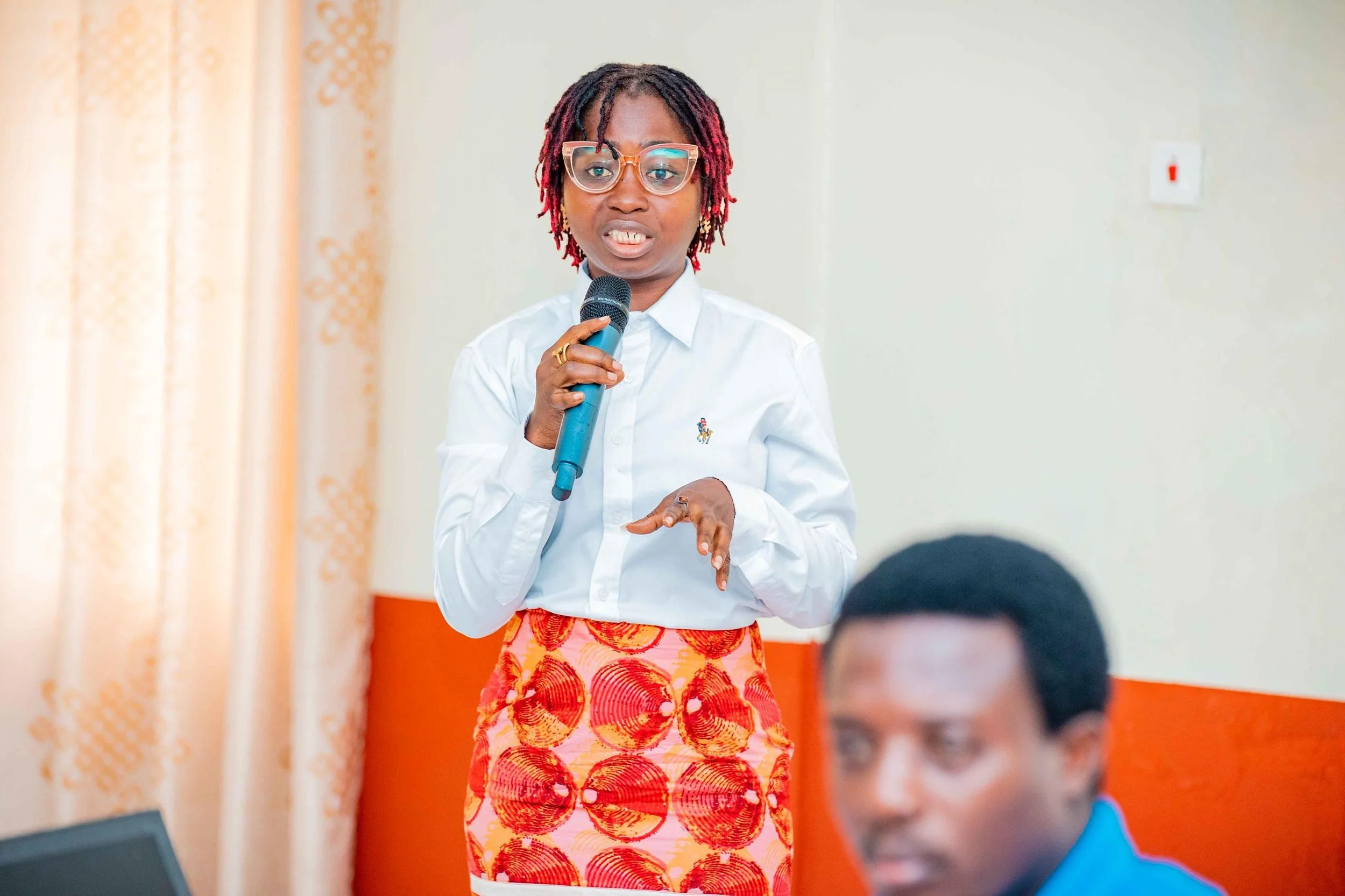
Q: Share with us a motto you live by.
We are in various positions not for our own sake, but for others. It is for such a time as this that we have assumed such roles.
Q: If you had all the money needed to launch the project of your dreams, can you describe what you would do?
The project of my dream has always been the ''conversion of invasive wetland plant species into organic-based Biofuel Briquettes for Sustainable Wetland Management and Rural Energy Development''. This project will convert invasive wetland plant species into sustainable biofuel briquettes as an alternative energy source for fish smoking and cooking. Consequently, reducing the dependence on mangrove wood by women and fishmongers in coastal communities. This initiative will promote environmental conservation, improve livelihoods, and support climate resilience by controlling invasive species infestation while protecting mangrove ecosystems from overexploitation.
Q: How is technology utilised for social impact in your country? For example are there mobile apps that support gender equality, inclusion, understanding of cultures?
In Ghana, technology is increasingly facilitating social impact through mobile apps and digital platforms that enhance education, environmental sustainability, and financial inclusion. Mobile money services have improved financial access for women and small entrepreneurs, while social media promotes gender equality and cultural awareness. Environmental organisations use mobile reporting systems and digital training to engage communities and raise awareness of social and environmental issues.
Q: Anything else that you may wish to add?
I am happy to be part of this amazing Global Thinkers Forum mentorship programme, which is improving the lives of young people all over the world.