
THE LEADERS OF TOMORROW
ATHENA & TELEMACHUS ALUMNI
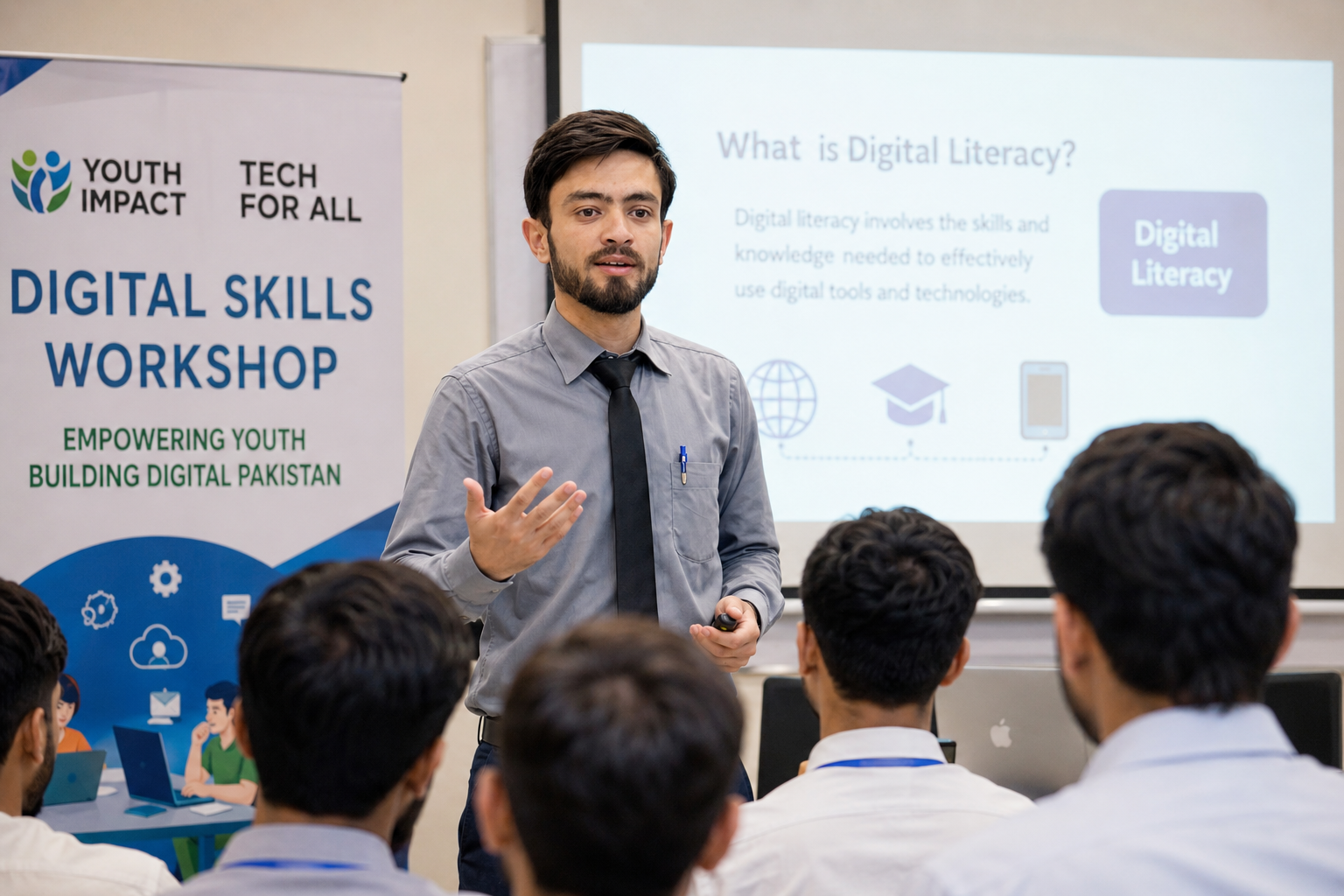
Junaid Nawaz:“Growth Is a Continuous Journey.”
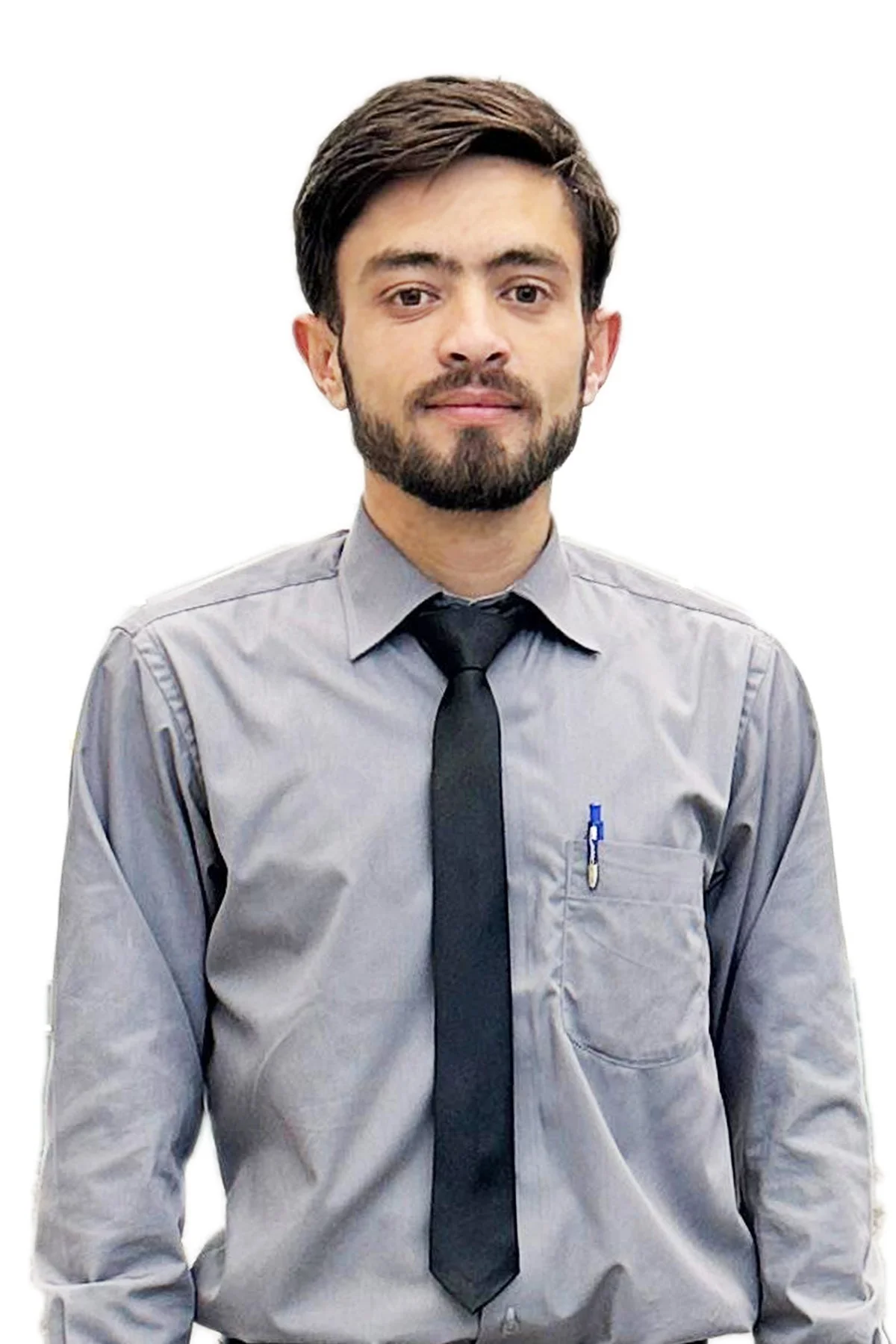
JUNAID NAWAZ
Junaid holds a Bachelor of Science (BS) in Computer Science from Hazara University, Mansehra, Pakistan. He belongs to Bedadi, a small village in Mansehra, where limited resources shaped his determination and passion for technology. This environment inspired his interest in cybersecurity, data analytics, and AI-driven technological solutions. Junaid is committed to youth empowerment. He has led a small-scale digital skills initiative, supporting digital literacy, web development, and freelancing opportunities to promote sustainable growth. He aims to pursue an MSc in Cybersecurity in the United Kingdom, deepening his expertise in cybersecurity, AI, and advanced digital technologies.
Q: Tell us a few things about you! Your background, your childhood and early beginnings!
I come from Bedadi, a small village near Shinkiari in Mansehra, Pakistan. I grew up in a modest household where simplicity, hard work, respect for others, and strong family values were an important part of everyday life. My childhood was closely connected to my community and the natural surroundings of the region, which helped shape my sense of responsibility, discipline, and perseverance from an early age.
From my school years, I developed a strong interest in computers and technology, which later inspired me to pursue a Bachelor of Science in Computer Science at Hazara University, Mansehra. Growing up in an area with limited resources and opportunities taught me the importance of self-learning, determination, and making the most of every opportunity available.
These experiences encouraged me to continuously develop my skills in technology, particularly in web development, cybersecurity, data analytics, and artificial intelligence. During my internship through the Pakistan–U.S. Alumni Network (PUAN), I had the opportunity to develop the website of the Department of Archaeology at Hazara University, which gave me valuable practical experience and professional exposure.
Currently, I work at Bank Al Habib, where I continue to strengthen my communication, analytical thinking, and professional skills. At the same time, I remain committed to learning and personal growth, with the long-term goal of pursuing advanced studies in cybersecurity and using technology to create positive opportunities for young people in my community.
Q: What are some of the key challenges in your society currently?
Some of the key challenges in my society include limited access to quality education and practical skills training, especially in areas such as technology, digital skills, and emerging fields. Many young people have talent and ambition, but often lack career guidance, professional mentorship, and access to opportunities that can help them develop their potential.
Unemployment and underemployment are also significant challenges, particularly for graduates and young professionals. This creates financial pressure for many families and can make it difficult for young people to build stable careers.
In rural areas, there is still a noticeable gap in access to technology, reliable internet, professional networks, and skill-based learning opportunities compared to larger cities.
At the same time, I see a great deal of resilience, determination, and untapped potential in my community. Many young people are eager to learn, improve their skills, and create better futures for themselves. With the right support, guidance, and opportunities, they can make a meaningful contribution to their communities and to society as a whole.
Q: Share with us some of the hurdles that you had to overcome in your life so far? How did you handle them?
One of the main hurdles I have faced in my life was growing up in a small-town environment with limited resources and fewer opportunities for advanced learning, especially in technology. Access to quality training, mentorship, and professional exposure was not always available, which made it difficult at times to see a clear path toward my long-term career goals.
Another challenge was balancing financial responsibilities with education and personal development. There were times when continuing to learn and improve my skills required extra effort, patience, and persistence. Like many young people from smaller communities, I also experienced moments of self-doubt when comparing myself with others who had greater exposure and opportunities.
I handled these challenges by focusing on self-learning, making use of online courses and available resources, and continuously looking for opportunities to gain practical experience. I learned the importance of setting realistic goals, staying disciplined, and taking small steps forward even when the outcome was uncertain.
These experiences have helped me become more resilient, confident, and focused, and they continue to motivate me to pursue my goals in ICT, artificial intelligence, and cybersecurity.
Q: Why is the role of a mentor important for you?
The role of a mentor is very important to me because a mentor provides guidance, perspective, and support in areas where experience and insight can make a real difference. A mentor helps me better understand my strengths, identify areas for improvement, and think more clearly about my personal and professional goals.
Coming from a small-town environment with limited exposure to global opportunities and structured career guidance, mentorship gives me access to valuable experiences and different perspectives that I may not otherwise encounter. It helps me develop a clearer direction, make more informed decisions, and approach challenges with greater confidence.
For me, mentorship is not only about receiving advice. It is also about self-reflection, accountability, and learning how to turn ambitions into realistic goals and practical action plans. Through mentoring, I can continue to grow as a professional and as a person while staying focused on my long-term aspirations in ICT, artificial intelligence, and cybersecurity.
Q: Do you have a lesson that life has taught you and you would like to share?
One important lesson life has taught me is that consistency and patience are often more powerful than talent alone. Progress may seem slow at times, especially when opportunities and resources are limited, but steady effort and continuous learning can create meaningful results over time.
I have also learned that challenges are not simply obstacles; they are opportunities to grow. Many of the difficulties I faced helped me become more resilient, disciplined, and determined. They taught me to focus on what I can do rather than on what I lack, and to keep moving forward even when the path is not completely clear.
Another lesson I value is that confidence is built through experience. Growth often begins when we step outside our comfort zone, try new things, and remain open to learning from both success and failure. These lessons continue to guide me in my personal life, professional development, and long-term goals.
Q: Name a project, a foundation or a person in your country that you think is doing great work in helping improve other people's lives!
In Pakistan, one initiative that I greatly admire is the Pakistan–U.S. Alumni Network (PUAN). PUAN brings together alumni of U.S.-funded exchange programmes and encourages them to contribute to their communities through education, leadership, volunteer work, and skills development initiatives. I believe it plays an important role in creating opportunities for young people and promoting positive social impact.
On a personal level, I had the opportunity to participate in a PUAN-supported project with the Department of Archaeology at Hazara University, where I developed the department’s website. Through this experience, I gained practical technical skills, worked with professionals from different backgrounds, and learned the value of teamwork, knowledge-sharing, and community service. What I admire most about PUAN is its focus on empowering individuals to use their knowledge and skills to benefit others. It demonstrates how education, collaboration, and mentorship can create meaningful and lasting change in local communities.
Q: What are some of the challenges that women in your country face and what efforts are being made towards gender equality?
Women in Pakistan continue to face a number of challenges, particularly in areas such as access to quality education, employment opportunities, healthcare, and economic participation. These challenges can be more significant in rural areas, where social and cultural expectations, limited resources, and safety concerns may affect women's ability to pursue education, careers, or leadership roles.
At the same time, positive progress is being made. Government institutions, educational organisations, NGOs, and community initiatives are working to increase opportunities for women through education, skills development, entrepreneurship programmes, and awareness campaigns. More women are entering professional fields such as education, healthcare, information technology, business, and public service, and their contributions are becoming increasingly visible. Digital technology is also creating new opportunities by providing access to online learning, remote work, and professional networking.
While challenges remain, I believe continued investment in education, skills development, and equal opportunities can help create a more inclusive and prosperous future for everyone.
Q: Share with us a motto you live by.
I believe that meaningful progress does not happen overnight. Steady effort, patience, and a willingness to learn and improve every day are often more important than quick results. Even small steps can make a big difference when they are taken consistently over time. This mindset helps me stay focused on my goals, continue developing my skills, and remain motivated when challenges arise. It reminds me that growth is a continuous journey, especially in fields such as ICT, artificial intelligence, and cybersecurity, where learning never stops.
Q: If you had all the money needed to launch the project of your dreams, can you describe what you would do?
If I had all the resources needed to launch the project of my dreams, I would create a technology and digital empowerment initiative for underserved communities, particularly in rural areas of Pakistan. Growing up in a small town, I have seen many talented young people struggle not because they lack ability, but because they lack access to opportunities, guidance, and modern skills.
The project would provide free training in ICT, artificial intelligence, cybersecurity, digital literacy, and freelancing skills, supported by mentorship and career guidance. It would combine community-based training centres with online learning platforms so that young people could access quality learning regardless of where they live. I would place special emphasis on supporting underprivileged youth and women by helping them develop practical skills that can lead to employment, entrepreneurship, remote work, and greater economic independence.
The project would also encourage leadership, innovation, and knowledge-sharing within local communities. My goal would be to help bridge the digital divide, create opportunities for sustainable growth, and empower people to build better futures for themselves through education, technology, and continuous learning.
Q: How is technology utilised for social impact in your country? For example are there mobile apps that support gender equality, inclusion, understanding of cultures?
In Pakistan, technology is increasingly being used to create positive social impact in areas such as education, healthcare, financial inclusion, and public awareness. Digital payment systems and mobile banking services have made financial services more accessible to many people, including those living in rural and underserved areas.
Online learning platforms and educational resources are also helping students and young professionals gain new knowledge and skills regardless of their location. Technology is also supporting greater social inclusion. Various digital initiatives and mobile applications provide information on health, education, women’s empowerment, and community support services.
Social media platforms are widely used to raise awareness about social issues, promote cultural understanding, and encourage discussions on topics such as gender equality, education, and community development.
While significant progress has been made, there is still considerable potential to expand access to technology, particularly in rural areas. Improving digital literacy, internet access, and technology-based learning opportunities can help create more inclusive and sustainable development across the country.
Q: Anything else that you may wish to add?
I would like to express my sincere gratitude for being part of the GTF mentoring programme. It has been a valuable experience that has encouraged me to reflect more deeply on my personal and professional goals and to think more strategically about my future. One of the most important benefits for me has been gaining greater clarity about my strengths, areas for development, priorities, and long-term aspirations.
The mentoring process helped me transform ideas and ambitions into more structured goals and practical steps, while also strengthening my confidence, accountability, and commitment to continuous learning. I am especially grateful for the opportunity to learn from experienced professionals, gain new perspectives, and connect with a global community that values leadership, growth, and positive impact. I look forward to continuing this journey, developing my skills in ICT, artificial intelligence, and cybersecurity, and using what I learn to contribute positively to both my profession and my community.