
THE LEADERS OF TOMORROW
ATHENA & TELEMACHUS ALUMNI
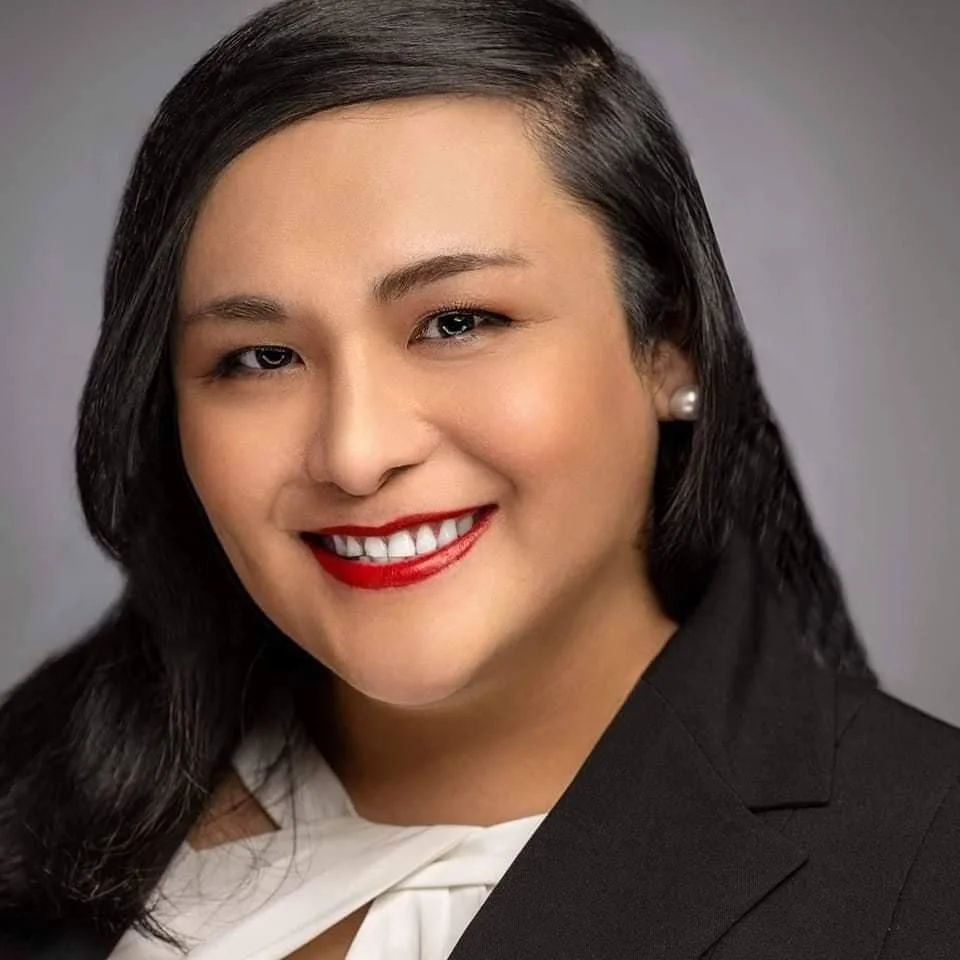
Ray An Margaret Cabantan:“Embrace Your Authenticity.”
RAY AN MARGARET CABANTAN
Ray An Margaret Cabal Cabantan is a Filipino American transgender and a public health advocate whose work is guided by humility, service, and cultural rootedness. She holds an associate degree in Public Health Community from LAGCC CUNY and is currently completing her bachelor’s degree at Southern New Hampshire University, with aspirations to pursue a master’s degree and eventually a doctorate in Public Health and Foreign Policy. Ray currently serves as an Appeal Specialist at Fidelis Care Centene, where she is also an active member of Engagement Inclusive and DEI initiatives that promote belonging and representation in the workplace.
Q: Tell us a few things about you! Your background, your childhood and early beginnings!
I grew up in the Philippines in a family shaped by service, education, and quiet leadership. My mother served as a Barangay Captain (similar to a Borough President), leading not through authority but through fairness, humility, and compassion. Watching her serve without seeking recognition formed my earliest understanding of responsibility and purpose.
I am the youngest of five children. Our family experienced early separation, and later, the passing of my father in 2011. That separation shaped much of our childhood, and his passing brought a different kind of loss, one that closed a chapter but never erased the love we carried for him. The brokenness did not break us; it strengthened our resilience. My mother became both father and mother, and her quiet strength, courage, and faith became one of the greatest foundations of my life. She taught me that hardship does not have to harden the heart; it can deepen compassion.
My childhood was simple but full of warmth, surrounded by extended family, Filipino traditions, and the richness of multilingual culture. Later in life, I migrated to the United States, where I rebuilt my life with courage and humility. I worked in a nursing home for over ten years, an experience that strengthened my compassion and deepened my commitment to serve with dignity and empathy as a Filipina American transgender woman navigating two cultures.
Today, I am a working student pursuing a degree in public health while balancing school, work, and leadership development. My identity is a blend of two worlds: the Philippines, where my values were formed, and the United States, where I learned, fell, rose, and grew into my authenticity. My journey is not defined by privilege, but by faith, purpose, and resilience. Everything I do is rooted in the belief that service is not a title, it is a way of life.
Q: What are some of the key challenges in your society currently?
Across both the Philippines and the United States, I see challenges that affect people’s daily lives: inequality, limited access to healthcare, and the need for more inclusive spaces. Many communities still struggle with poverty, lack of resources, and barriers to education and mental health support. Another challenge is cultural misunderstanding. With so many identities and backgrounds, people often misinterpret one another. This is why cultural humility matters deeply to me. It teaches us to listen before we judge and to understand before we assume.
Q: Share with us some of the hurdles that you had to overcome in your life so far? How did you handle them?
One of my biggest hurdles was adjusting to life in a new country while supporting my family and studying at the same time. As a working student, I often felt overwhelmed, but I stayed grounded through faith, discipline, and community support. Another challenge was finding my voice. Growing up, I was taught to be humble and quiet, and sometimes that made me doubt myself. Through my LGBTQ advocacy, my PHCO Ambassador training, and now GTF, I learned to embrace my authenticity. I handled these hurdles by staying true to my values, seeking mentorship, and trusting that growth takes time.
Q: Why is the role of a mentor important for you?
A mentor provides clarity, grounding, and perspective, especially when you are navigating big dreams while balancing real-life responsibilities. My mentor, Kristen, has been instrumental in shaping my confidence and leadership readiness. She creates a safe space where I can reflect, grow, and stay aligned with my purpose. Her guidance strengthened every part of my development, from my Cultural Humility presentation to my PHCO Ambassador training and my long-term leadership goals. She reminds me that progress does not need to be rushed; it needs to be intentional.
Being part of GTF transformed how I view leadership. Seeing how a global leader carries responsibility with humility and empathy reshaped my understanding of what true leadership looks like. It showed me that leadership is not about position or status, it is about service, listening, and uplifting others.
Q: Do you have a lesson that life has taught you and you would like to share?
Life has taught me that authenticity is strength. For many years, I felt pressure to adjust myself to what others expected. But embracing who I truly am, my culture, my identity, and my values, opened doors I never imagined.
Another lesson is that God’s timing is perfect. The seasons of delay, rejection, and uncertainty, including earning my degree in my forties, could have discouraged me. Instead, they strengthened me and deepened my commitment to serve with compassion and dignity.
Q: Name a project, a foundation or a person in your country that you think is doing great work in helping improve other people's lives!
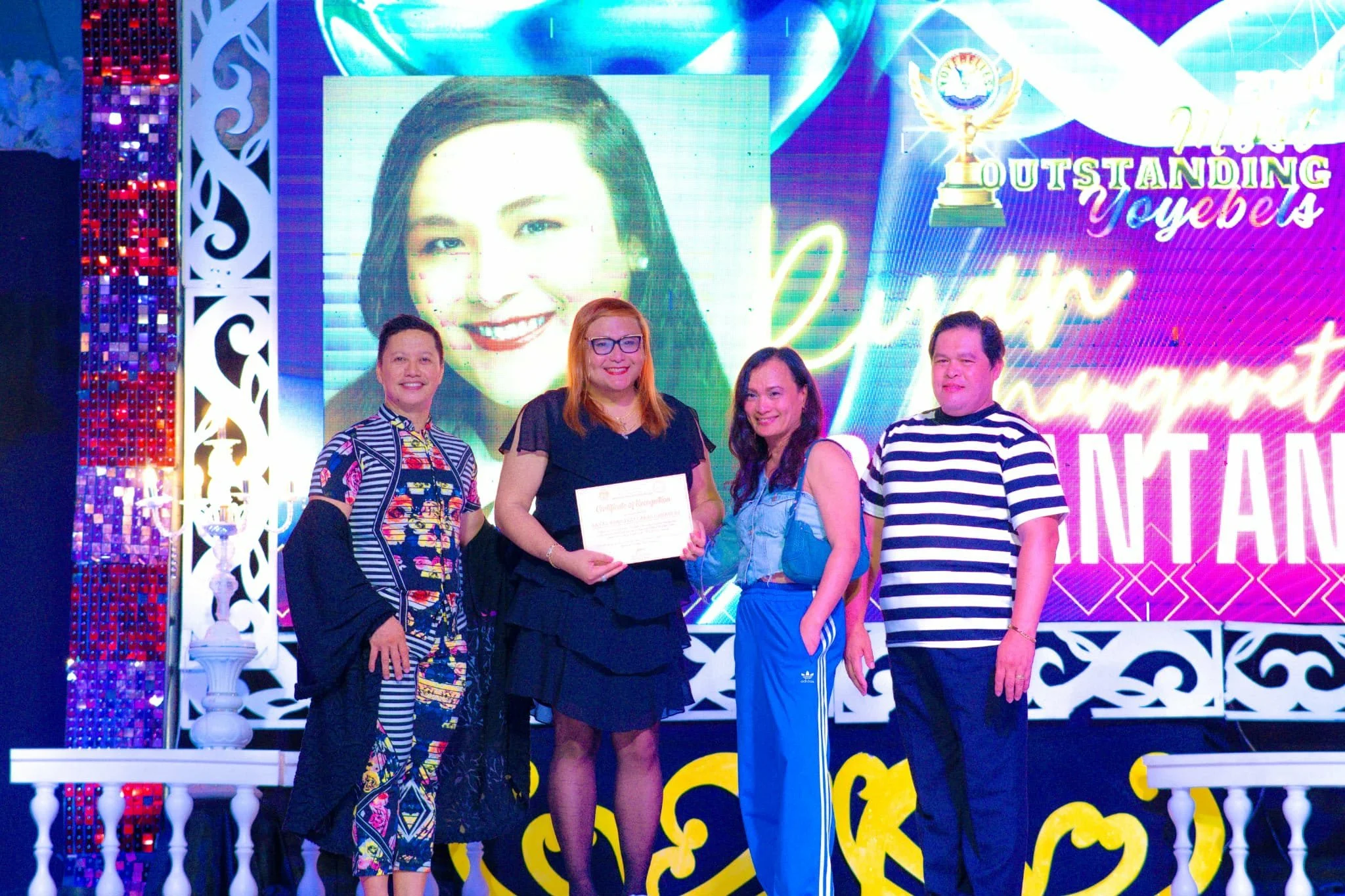
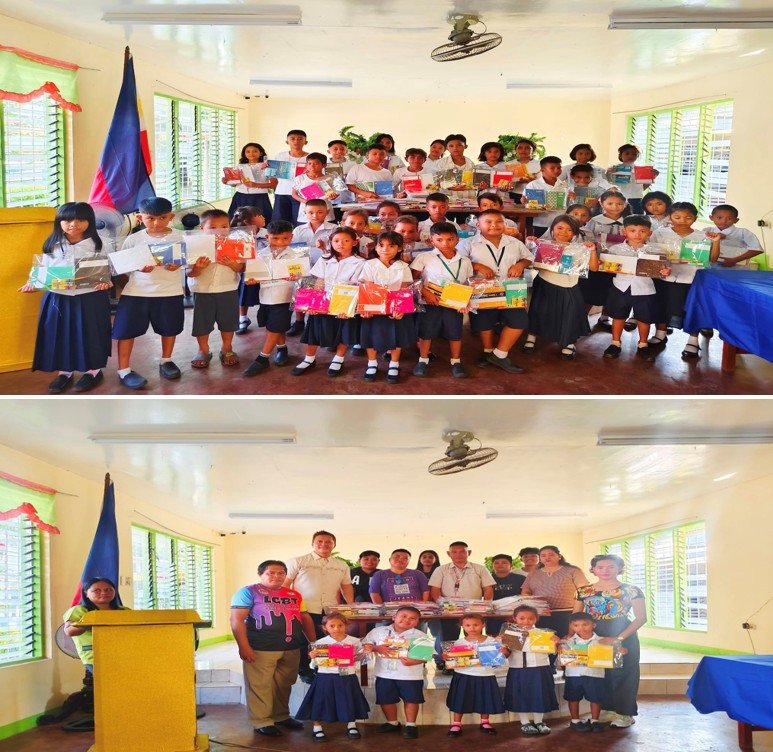
One initiative close to my heart is Yoyebelles, a grassroots LGBTQ empowerment group in Hindang, Leyte, where I serve as an adviser. It was not created by institutions or funded by wealthy donors, it was born from friendship, community, and shared purpose. What began as a small circle of childhood friends eventually grew into a recognised community initiative when our Local Government Unit formally acknowledged Yoyebelles in 2016. We also lead an annual outreach called Bags of Hope, where we provide essential items to youth, LGBTQ individuals, and families in need. We contribute from our own pockets, supported by friends and relatives who give from the heart. Every act of giving reflects the Filipino spirit of bayanihan, helping one another without expecting anything in return.
Q: What are some of the challenges that women in your country face and what efforts are being made towards gender equality?
Women in the Philippines continue to face challenges such as gender-based violence, limited economic opportunities, and societal expectations that restrict their roles. LGBTQ individuals also face stigma, discrimination, and limited legal protections.
Despite these realities, there are strong community-driven efforts, advocacy groups, and public health initiatives working to promote dignity, safety, and inclusion. In the United States, women and LGBTQ communities navigate issues such as workplace inequality, healthcare disparities, and cultural misunderstanding. However, there are robust efforts toward inclusion, including diversity programmes, mental health support, and leadership development opportunities that uplift marginalized voices.
Q: Share with us a motto you live by.
“Humility grounds me, gratitude guides me, and authenticity keeps me true to my purpose.”
I always look back to where I started, because remembering my beginnings keeps my heart aligned with service, compassion, and the values that shaped me.
Q: If you had all the money needed to launch the project of your dreams, can you describe what you would do?
If I had the resources to expand the work that Yoyebelles is already doing, I would strengthen and scale our grassroots efforts into a global community centre for cultural humility, mental health, and inclusive leadership. This vision is not new, it is an extension of what we have been doing since the pandemic through a volunteer-driven initiative that supports youth, LGBTQ individuals, and families without institutional funding or external recognition. The centre would offer cultural humility workshops, mental health support, leadership development, safe spaces for LGBTQ individuals and migrants, and community outreach programmes for families in need.
Q: How is technology utilised for social impact in your country? For example are there mobile apps that support gender equality, inclusion, understanding of cultures?
Technology in both the Philippines and the United States is increasingly used to support social impact, especially in public health, education, and inclusion. Mobile apps and digital platforms help raise awareness on gender-based violence, provide mental health support, and promote cultural understanding among diverse communities. In the Philippines, apps and SMS-based tools are used for health information, disaster response, and reporting gender-based harassment.
Q: Anything else that you may wish to add?
My public health journey began at the grassroots in a small hometown in the Philippines. Ever since I was young, I have been a bridge — someone who brings people together even in difficult moments. That purpose has never changed. I am committed to uplifting communities, protecting the vulnerable, and advocating for equity. Whether or not I hold a formal title, I choose to lead through service, humility, and integrity. I have also been featured in public health communication work through my role at Fidelis Care, where I support member advocacy and health equity. These experiences continue to shape how I show up as a Filipina American transgender woman committed to cultural humility, compassion, and community‑centered leadership. My mission is to use my voice, my lived experience, and my faith‑driven strength to contribute to a healthier and more compassionate world. I rise so others can rise with me.