
THE LEADERS OF TOMORROW
ATHENA & TELEMACHUS ALUMNI
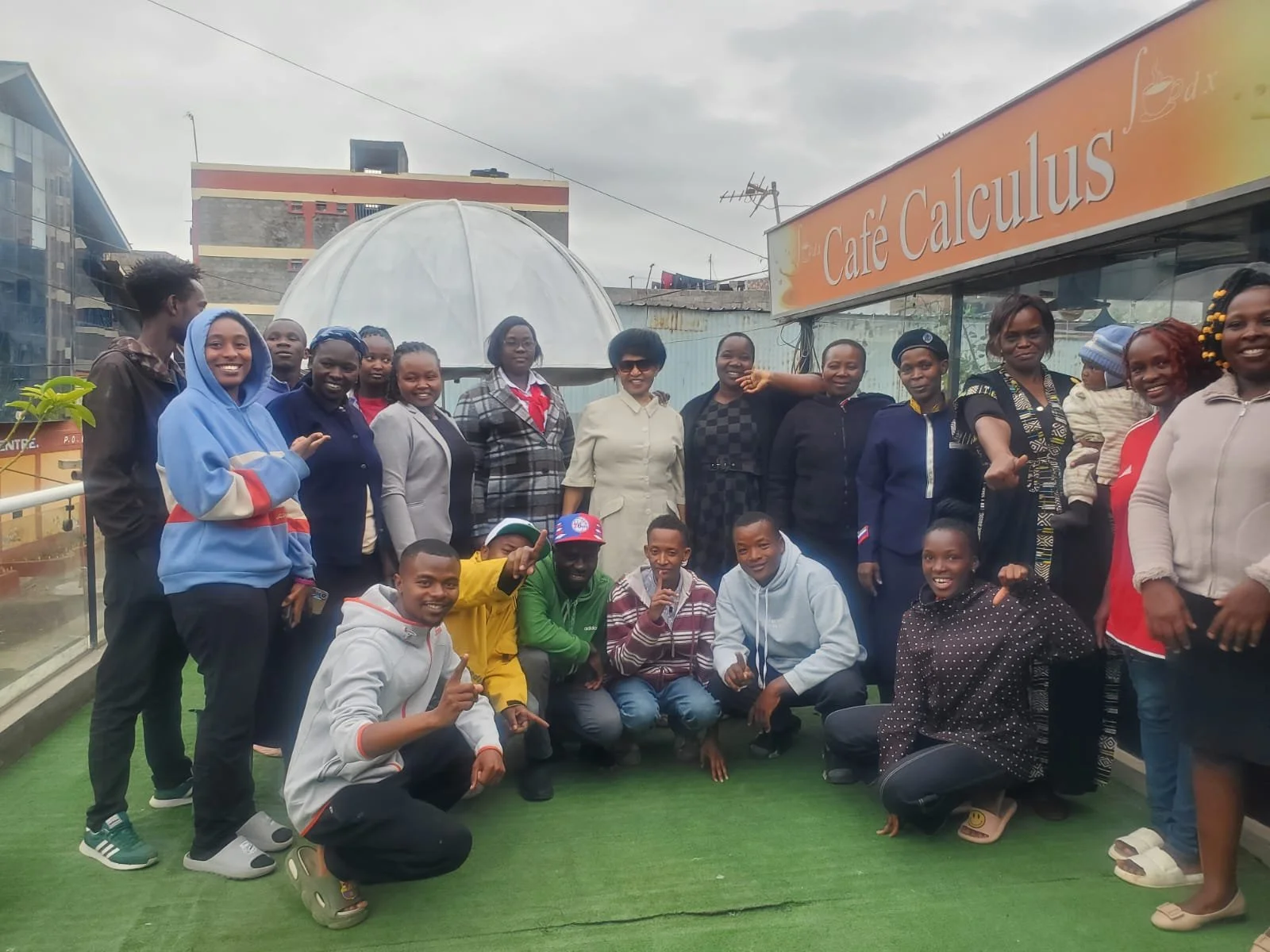
Rita Ibutari:“Purpose Is Stronger Than Circumstance.”
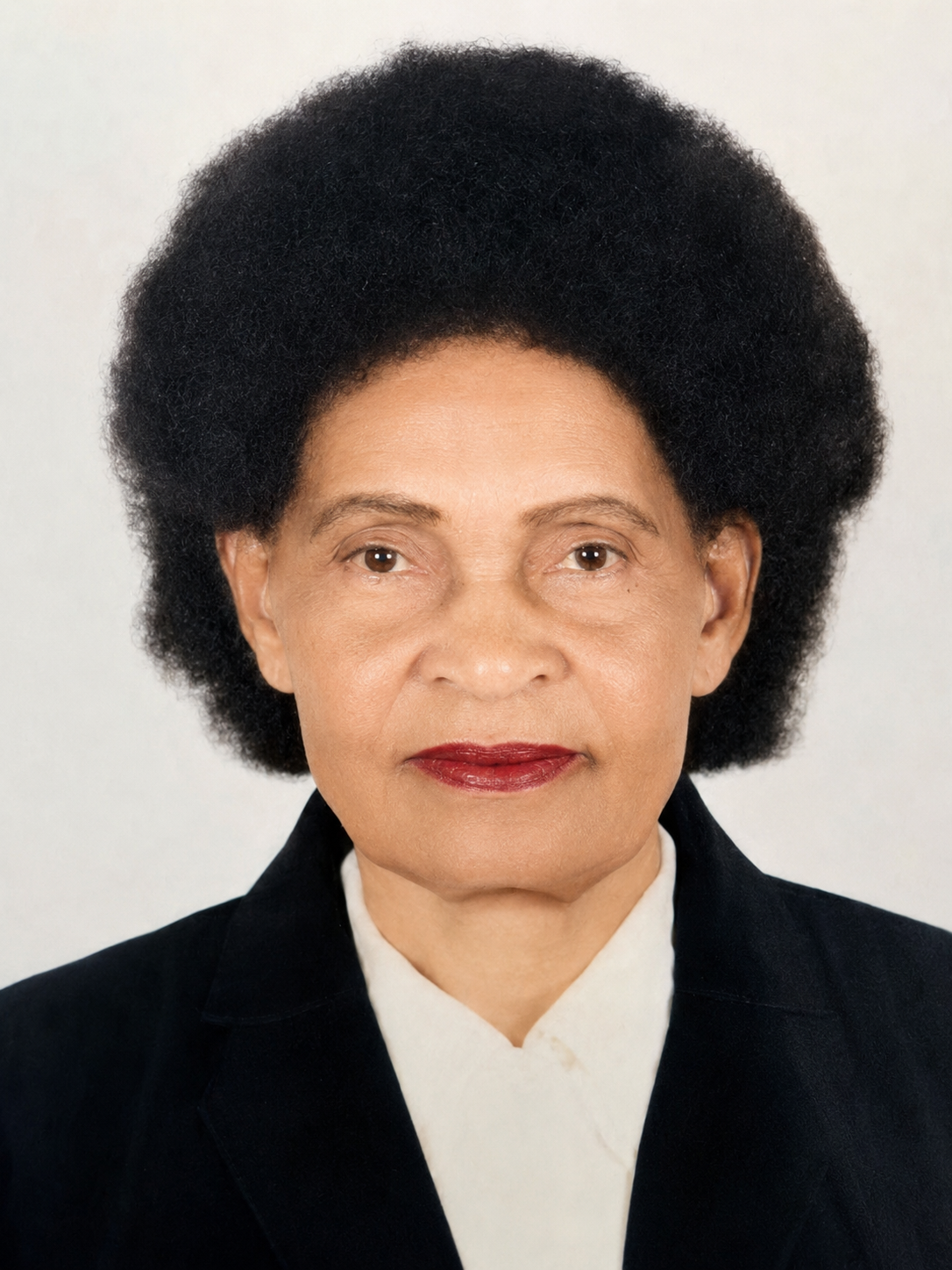
RITA IBUTARI
Rita Ibutari is a compassionate leader, educator, and humanitarian with over four decades of experience in education, media, and community development. She began her professional journey after earning a Diploma in Teaching and later advanced her academic and professional expertise with a degree in Counselling Psychology from Kenyatta University. Currently, Rita serves as the Founder and Chief Executive Officer of Human Values Initiatives International (HVII), a nonprofit organisation dedicated to eradicating poverty and empowering marginalised communities in Kenya through skills training, business development, and climate-conscious initiatives.
Q: Tell us a few things about you! Your background, your childhood and early beginnings!
I come from Kenya, where I spent my early years in a simple, grounded upbringing shaped by strong family values, discipline, and a deep respect for education and community. My childhood was not one of excess, but of meaning—where I learned early that life is built through responsibility, kindness, and perseverance.
My professional journey has been diverse. I began working in administration and later moved into education, where I served as a teacher for many years. I also worked with Nation Media Group in a coordination role, and later in rehabilitation and psychosocial support work. I hold a degree in Counselling Psychology from Kenyatta University, which deeply shaped my understanding of human behaviour, healing, and dignity. Today, I serve as the CEO of Human Values Initiative International, an NGO focused on empowering marginalized communities through skills development and social transformation.
Q: What are some of the key challenges in your society currently?
In my society today, some of the most pressing challenges include poverty, youth unemployment, and limited access to sustainable livelihoods. Many young people are educated but still struggle to find meaningful work, which leads to frustration and vulnerability.
We also face growing issues around mental health, family breakdown, and substance abuse, especially among the youth. These challenges are often intensified by economic pressure and lack of psychosocial support systems. In addition, inequality remains a concern—particularly for women, rural communities, and people with limited access to education and opportunity.
Climate-related challenges are also increasingly affecting agriculture and food security, which directly impacts vulnerable communities. Despite these challenges, I also see resilience. Communities continue to support one another, and many individuals and organisations are working tirelessly to create change.
Q: Share with us some of the hurdles that you had to overcome in your life so far? How did you handle them?
My life has been shaped by both professional and personal challenges. On a professional level, working in different sectors —banking, media, education, and NGO work —required constant adaptation, resilience, and continuous learning. Each transition came with uncertainty, but I learned to embrace change as part of growth.
On a personal level, I have also experienced deep loss and seasons of grief. These moments tested my strength in ways nothing else could. What helped me was faith, reflection, and allowing myself to go through the healing process rather than resisting it. I also leaned on purpose—continuing to serve others even in my own pain became a form of healing. I learned that pain does not end life; it reshapes it. It can either break you or deepen your compassion for others. I chose the latter.
Q: Why is the role of a mentor important for you?
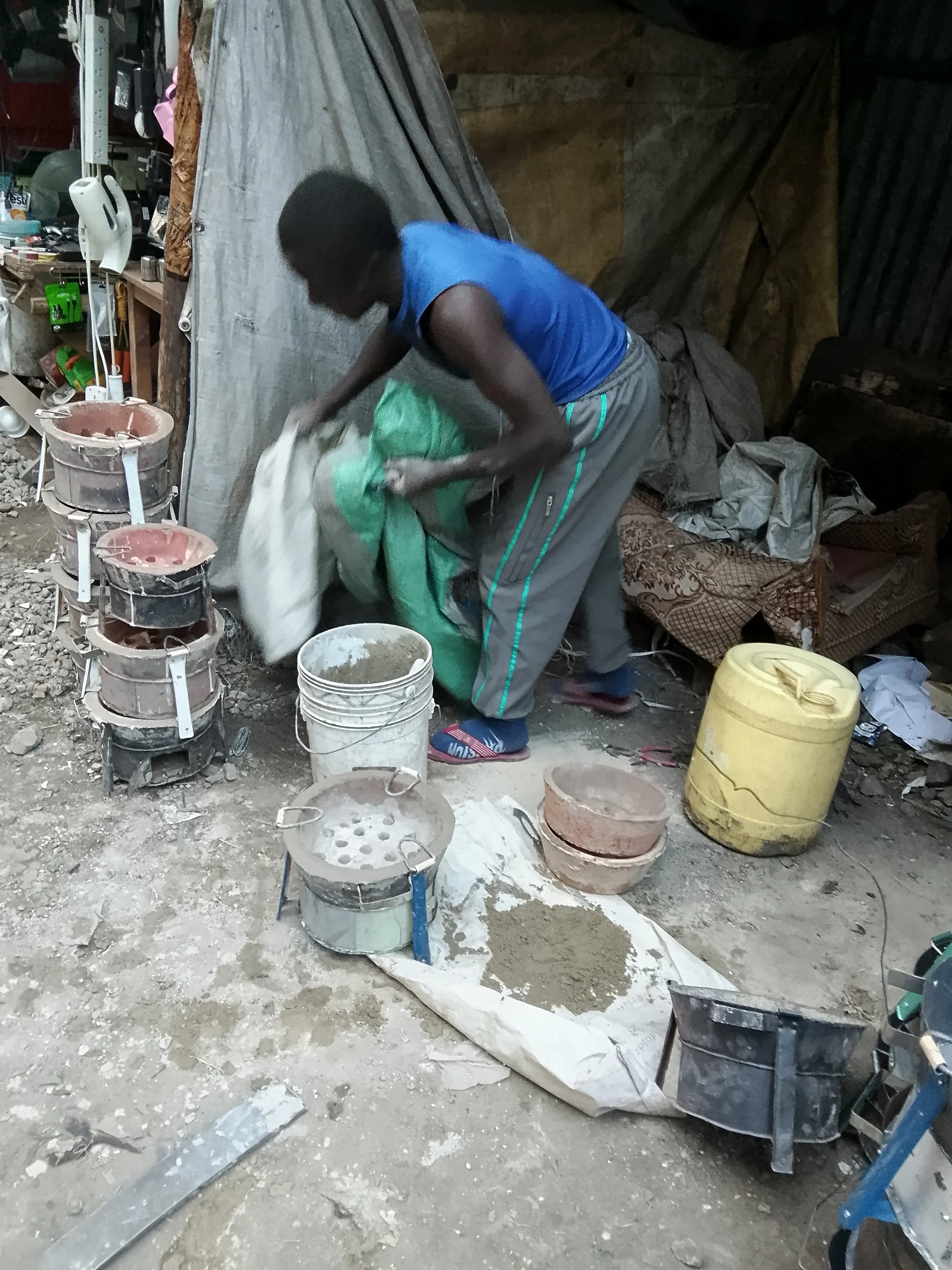
Mentorship is important to me because no one truly grows in isolation. We all need guidance, encouragement, and accountability from someone who has walked a similar path or carries wisdom from experience. A mentor provides clarity when life feels uncertain. They help you see beyond immediate struggles and remind you of your potential when you begin to doubt yourself.
In my own journey, I have benefited from both formal and informal mentors who helped shape my decisions and strengthen my leadership. Today, I also see mentorship as a responsibility. Through my NGO work, I engage with young people and communities, and I recognise that sharing knowledge, listening, and guiding others is one of the most powerful forms of service.
Q: Do you have a lesson that life has taught you and you would like to share?
One of the deepest lessons life has taught me is that purpose is stronger than circumstance. Life will not always unfold the way we expect. There will be losses, disappointments, and unanswered questions. But if you remain anchored in purpose—your reason for living and serving—you will always find a way forward.
I have also learned that kindness is never wasted. Even when it is not returned, it leaves a lasting impact somewhere unseen. And finally, I have learned that healing is not a destination but a journey—one that requires patience, faith, and self-compassion. At the heart of it all, I believe we are called not only to succeed, but to uplift others along the way.
Q: Name a project, a foundation or a person in your country that you think is doing great work in helping improve other people's lives!
In Kenya, I deeply admire the work of the Kenya Red Cross Society, which plays a vital role in emergency response, disaster management, and humanitarian support. In moments of crisis—floods, accidents, or displacement—they are often among the first to arrive, bringing not only relief but dignity to affected families. Their presence reminds us that humanity must be organised, ready, and responsive.
I also value the work of the Amref Health Africa, which continues to strengthen community health systems by training frontline health workers and improving access to essential services, especially for mothers and children in underserved areas.
At the community level, initiatives such as my own engagement through Human Values Initiative International reflect a shared belief that sustainable transformation must begin with people—through empowerment, skills development, and restoring dignity where it has been weakened by poverty and exclusion.
Q: What are some of the challenges that women in your country face and what efforts are being made towards gender equality?
In my experience, one of the most persistent challenges facing women in Kenya is the intersection of economic vulnerability, gender-based violence, and limited access to decision-making spaces. While progress has been made through legal reforms, advocacy, and education programmes, inequality is still deeply felt in daily life for many women, especially in rural and low-income settings.
I have encountered situations where women carry enormous responsibility for their families yet lack access to stable income or support systems. What has stayed with me is not only the struggle itself, but the quiet resilience with which many continue to rise each day despite these barriers. This has reinforced my commitment to approaches that do not only offer assistance, but create long-term pathways to independence and dignity.
Q: Share with us a motto you live by.
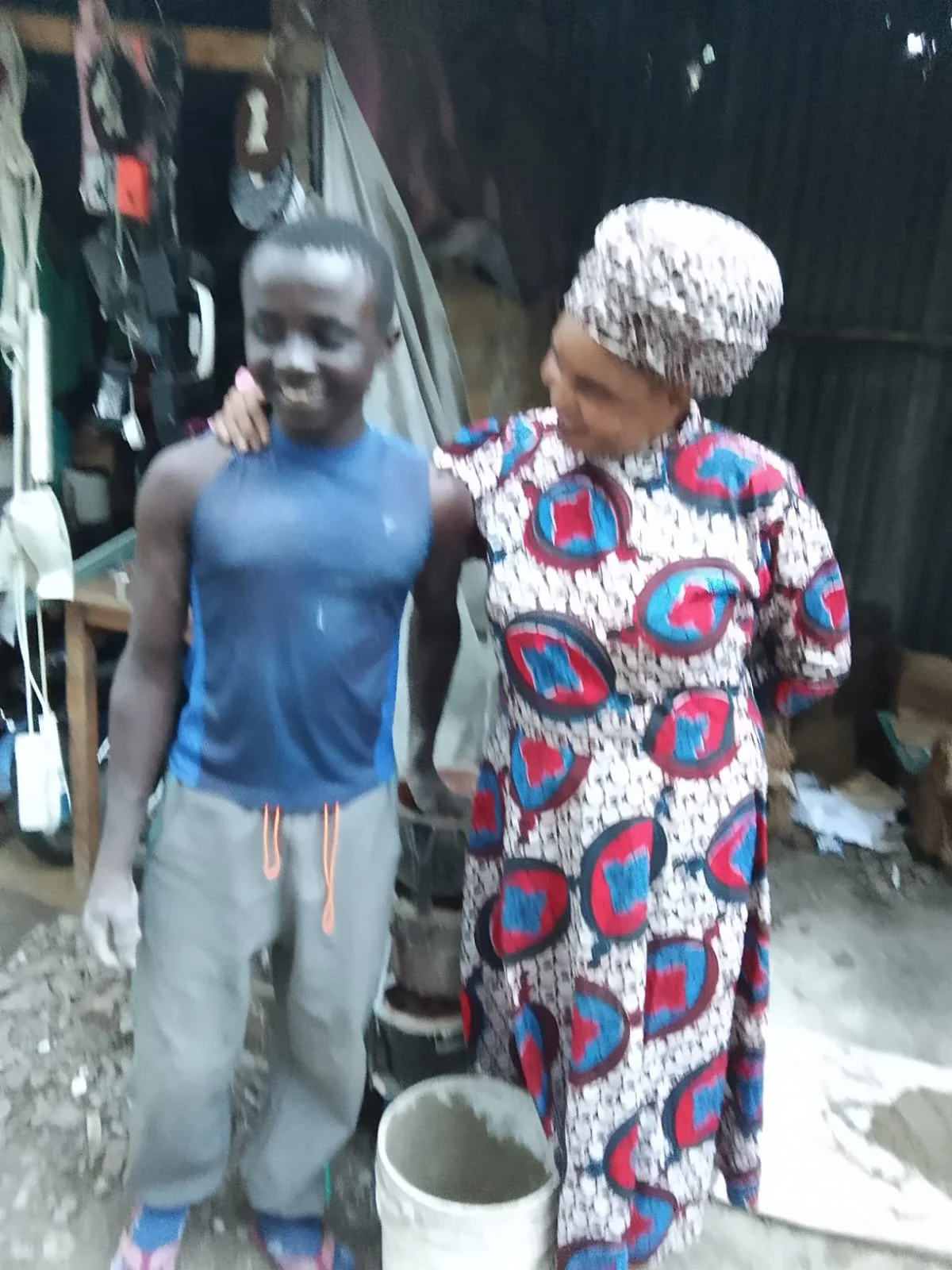
“My life is a service to humanity, and every life I touch must feel seen, valued, and empowered.”
Q: If you had all the money needed to launch the project of your dreams, can you describe what you would do?
If I were fully resourced to implement my dream project, I would build an integrated empowerment ecosystem that combines education, psychosocial support, and economic opportunity. It would be designed as a living system—where women, youth, and vulnerable groups can access skills training, mentorship, mental health support, and micro-enterprise pathways within one coordinated framework. The goal would not only be survival, but sustainable transformation.
Q: How is technology utilised for social impact in your country? For example are there mobile apps that support gender equality, inclusion, understanding of cultures?
Technology already plays an important role in driving social impact in Kenya. Mobile money systems such as those developed by Safaricom have significantly advanced financial inclusion, enabling even remote communities to participate in the economy.
Platforms such as Ushahidi have demonstrated how digital tools can be used for crisis mapping, transparency, and civic engagement. However, I believe the next frontier is ensuring that technology does not only provide access, but also promotes inclusion, safety, and equity—especially for marginalized groups who are often left behind in digital transformation.
Q: Anything else that you may wish to add?
Ultimately, I would like to emphasize that sustainable impact is not only about systems or programmes—it is about restoring human dignity. Whether through humanitarian response, health systems, or grassroots empowerment, the true measure of progress is how well we ensure that no one is left unseen or unsupported. This is the principle that continues to guide my work and my commitment to serving communities with compassion, clarity, and purpose.