
THE LEADERS OF TOMORROW
ATHENA & TELEMACHUS ALUMNI
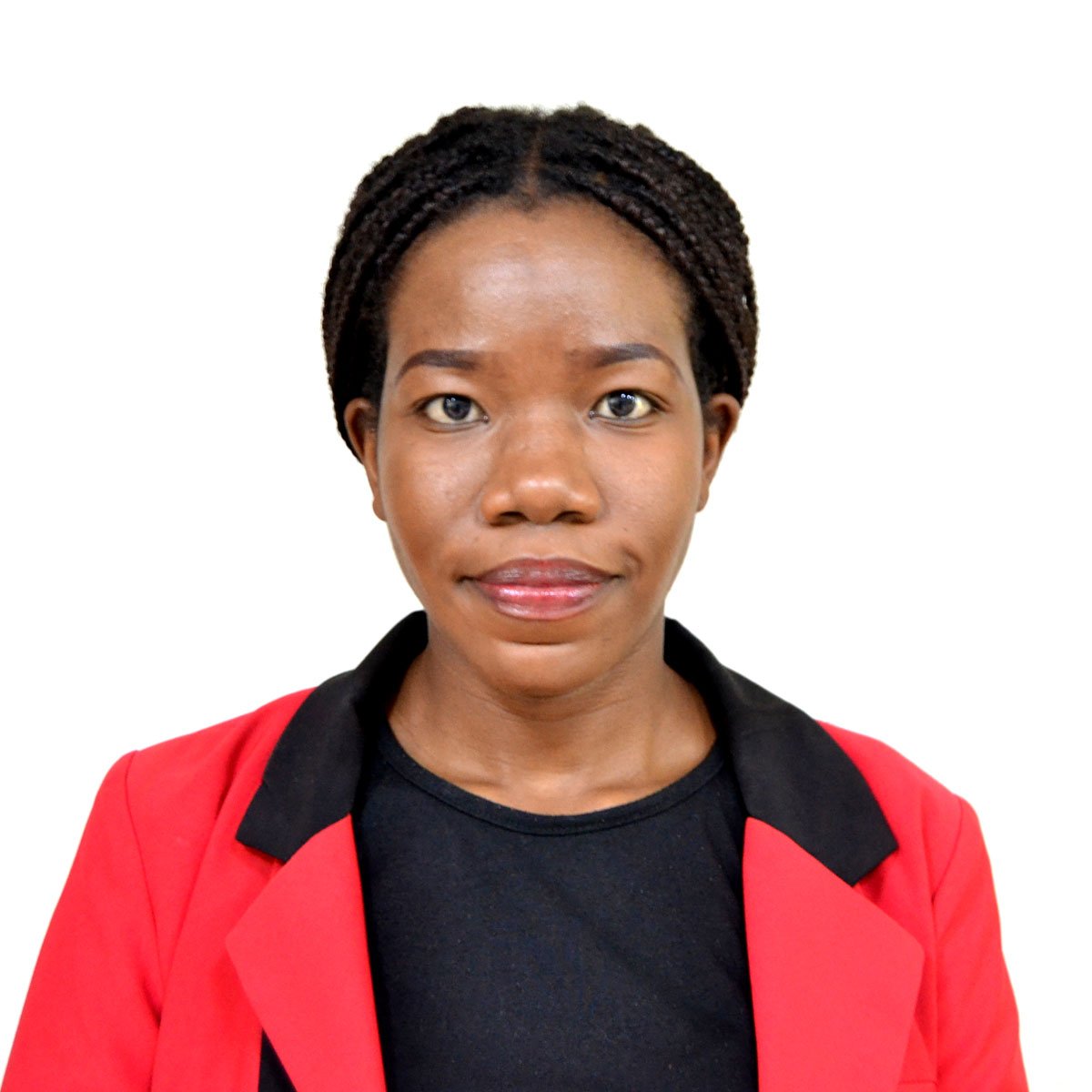
Wakisa Mwanyongo:“Setbacks Are Part of the Journey.”
WAKISA MWANYONGO
Wakisa was born in Malawi. She is an experienced educator and community advocate with a strong passion for youth development and empowerment. She currently serves as a Lead Teacher at Mount View International School, where she mentors fellow teachers, designs engaging lessons, and implements programmes that promote both academic excellence and character development among students.
Q: Tell us a few things about you! Your background, your childhood and early beginnings!
I was born into a family of two children and am the firstborn. I have one younger brother. Growing up, I learned the importance of responsibility, hard work, and supporting others. I pursued my studies in Education at university because I have always been passionate about teaching and helping people learn and grow. Over the years, I have built my career in education, working with learners of different ages and taking on leadership roles within schools. These experiences have shaped me both personally and professionally.
Q: What are some of the key challenges in your society currently?
Some of the key challenges in my society are unemployment, especially among young people, the high cost of living, and limited access to quality education and healthcare in some areas. Many families also struggle with poverty, which affects children's learning and overall well-being.
Q: Share with us some of the hurdles that you had to overcome in your life so far? How did you handle them?
One of the biggest hurdles I have faced was trying to build my career while dealing with limited opportunities and competition in the job market. There were times when things did not go as planned, and it was discouraging. I handled these challenges by staying persistent, continuing to learn, and applying for opportunities even when I faced setbacks. I also relied on the support of my family. These experiences taught me patience, resilience, and the importance of not giving up on my goals.
Q: Why is the role of a mentor important for you?
A mentor is important to me because they provide guidance, encouragement, and a different perspective based on their experience. Having a mentor helps me learn from someone who has faced similar challenges and can offer advice on both personal and professional growth. The support and insights I receive help me make better decisions and stay focused on my goals.
Q: Do you have a lesson that life has taught you and you would like to share?
One lesson life has taught me is that consistency matters more than quick results. Progress may be slow at times, but if you keep working hard and stay focused, things eventually fall into place. I have also learned that setbacks are part of the journey, and they often come with important lessons that help you grow stronger and more prepared for future opportunities.
Q: Name a project, a foundation or a person in your country that you think is doing great work in helping improve other people's lives!
One person I really admire is Tusayiwe from YANA Foundation. Through her work with the foundation, she has been actively supporting vulnerable children and families by improving access to education, basic needs, and emotional support. What stands out about her efforts is her commitment to reaching people who are often overlooked and making sure they feel valued and supported. Her work is making a real difference in the lives of many in our communities, and it is inspiring to see someone so dedicated to positive change.
Q: What are some of the challenges that women in your country face and what efforts are being made towards gender equality?
Women in Malawi face several challenges, including limited access to education for some girls, early marriages, gender-based violence, and fewer economic opportunities compared to men. In some communities, cultural beliefs and traditions still affect how women participate in leadership and decision-making.
However, there are ongoing efforts to improve gender equality. Government policies, together with NGOs and community groups, are working to promote girls’ education, prevent child marriages, and support women’s economic empowerment through skills training and small business support. Awareness campaigns on gender-based violence and women’s rights are also helping to change attitudes and encourage more equal participation in society.
Q: Share with us a motto you live by.
Forward ever, backward never.
Q: If you had all the money needed to launch the project of your dreams, can you describe what you would do?
If I had all the money needed to launch my dream project, I would start an education and youth empowerment programme. The focus would be on supporting children and young people from underprivileged communities by improving access to quality education, mentorship, and life skills training.
Q: How is technology utilised for social impact in your country? For example are there mobile apps that support gender equality, inclusion, understanding of cultures?
In Malawi, technology is increasingly being used to support social impact in different ways. Mobile phones and social media platforms are widely used to raise awareness on issues such as gender equality, child protection, and human rights. Many organisations also use SMS services and online platforms to share information on health, education, and available support services, especially in rural areas.
There are also digital reporting tools and hotlines that allow people to report cases of gender-based violence or seek help confidentially. In addition, various youth and community groups use social media to promote inclusion, cultural understanding, and positive behaviour change.
Although access to technology is still uneven in most areas, it is gradually playing an important role in connecting people, sharing information, and driving social change.